Un delitto ideale (feature film, 96’, 2025 https://filmitalia.org/it/film/205158/)
credits: cinematographer, camera operator
director: Nicolò Tonani
colorist: Francesco Ronchi
production: Anno 404
distribution: DNA
genre: period drama, arthouse
format: 3:2, Sony Venice 6k
release: UCI Cinemas (April 2026), Prime Video
awards: best italian film - Festival del Cinema di Salerno 2025, best costume design - Vespertilio Awards 2026
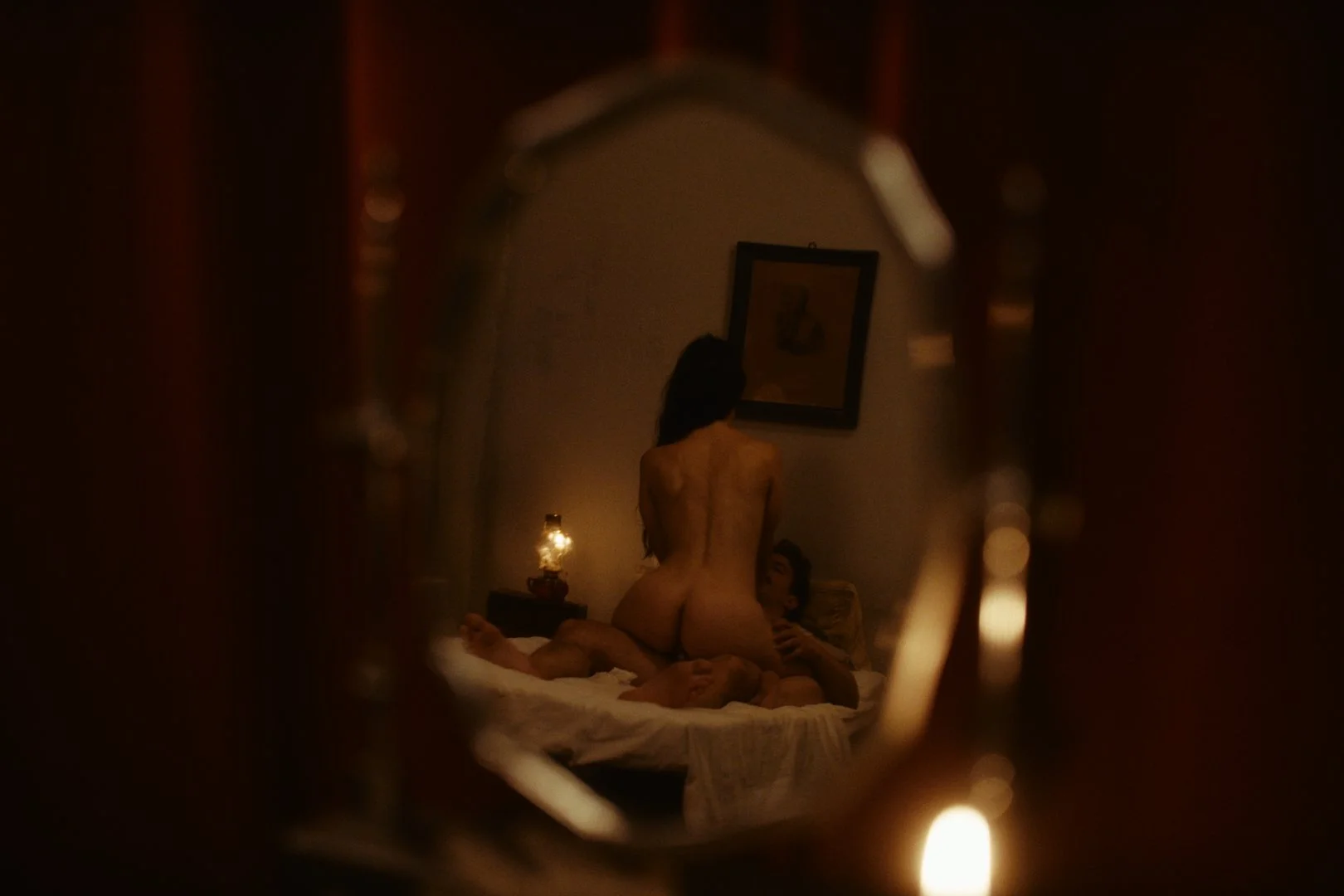
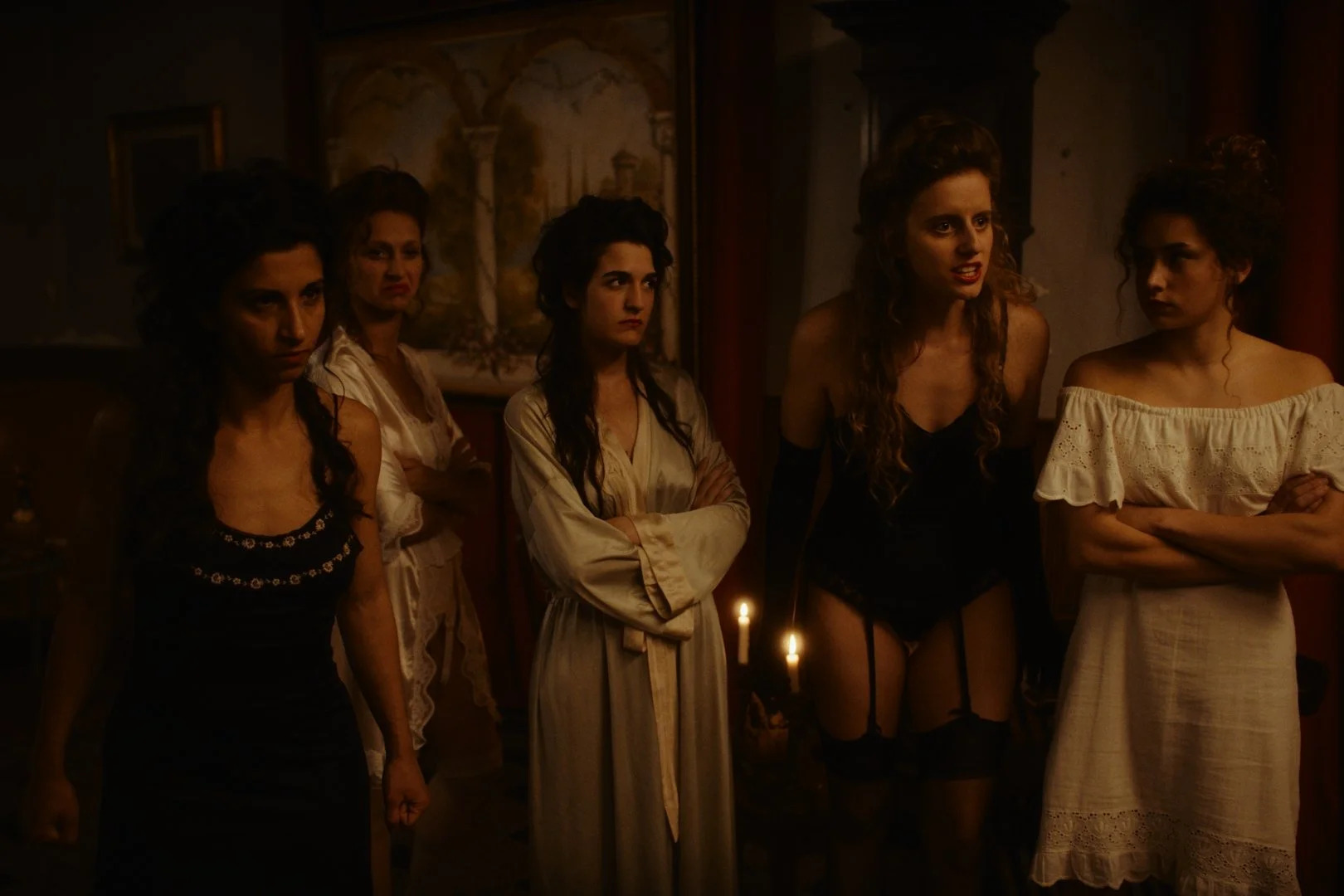
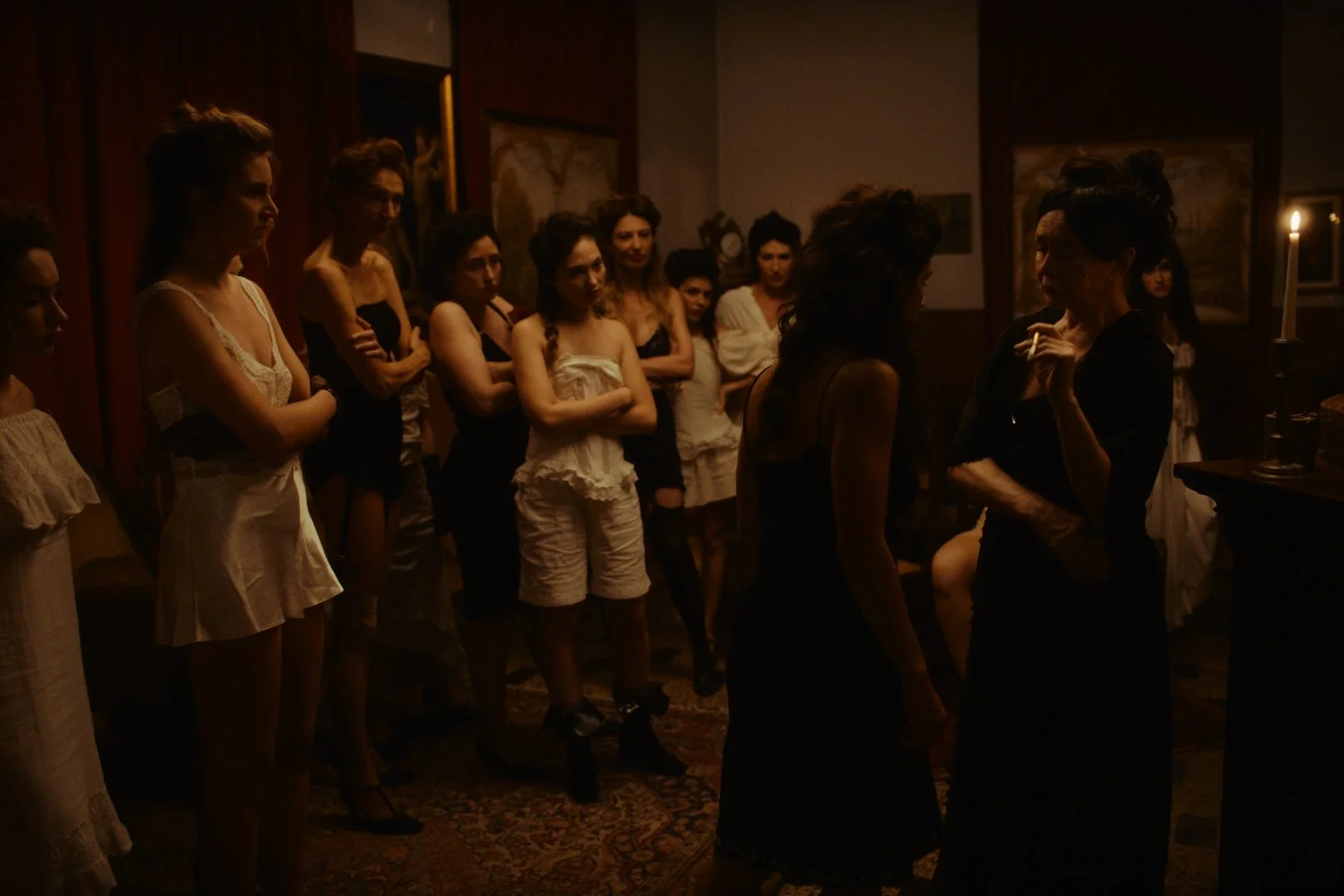
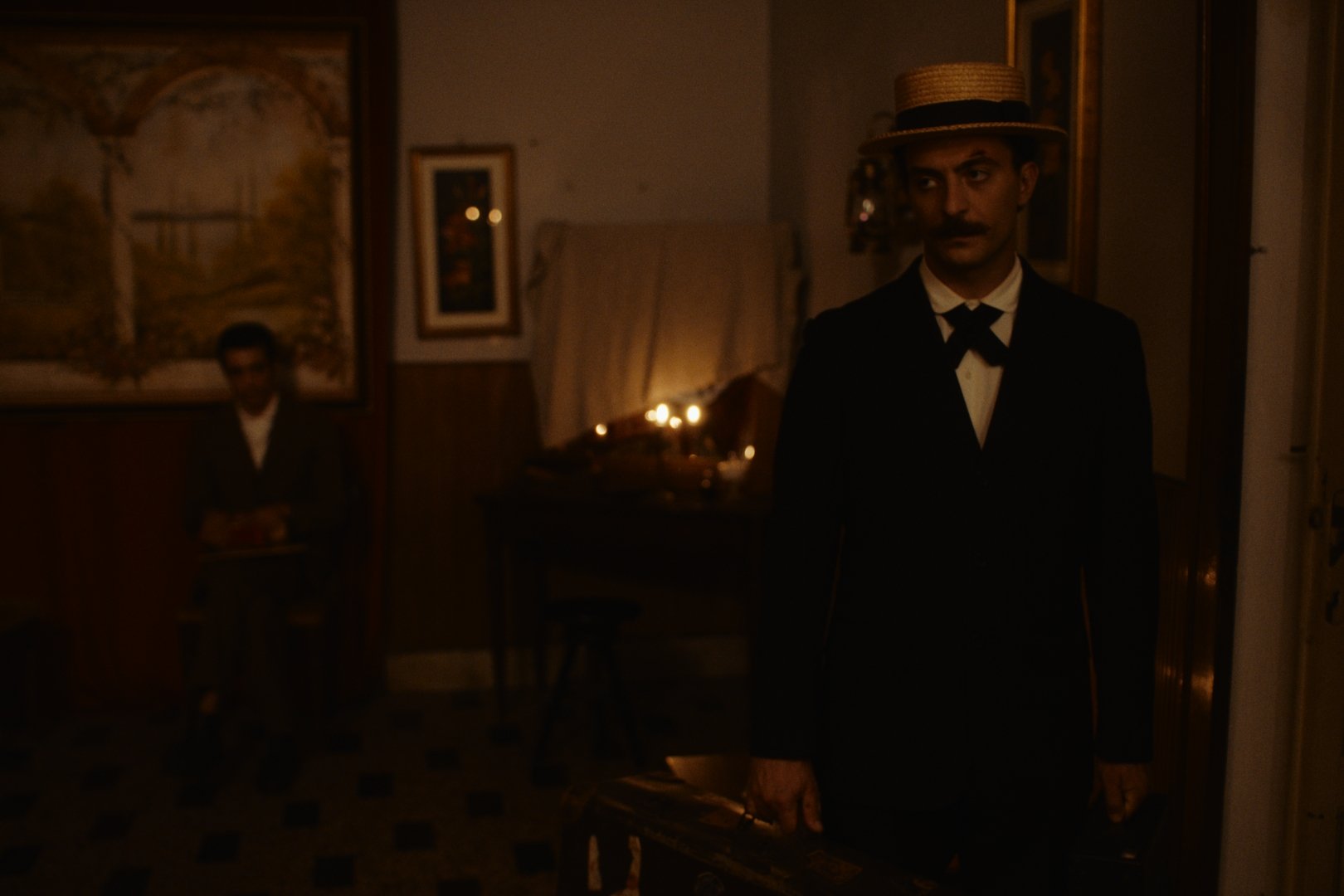
July 28, 1900: Gaetano Bresci, an italian anarchist who had emigrated to America, returns to Milan with a single goal: to assassinate King Umberto I. After scouting out the Villa Reale in Monza, he meets Teresa, a prostitute in a dilapidated brothel in Milan. He spends the night with her, not for pleasure, but to rest and prepare. During that long night, an unexpected bond forms between them.
Cinematography overview
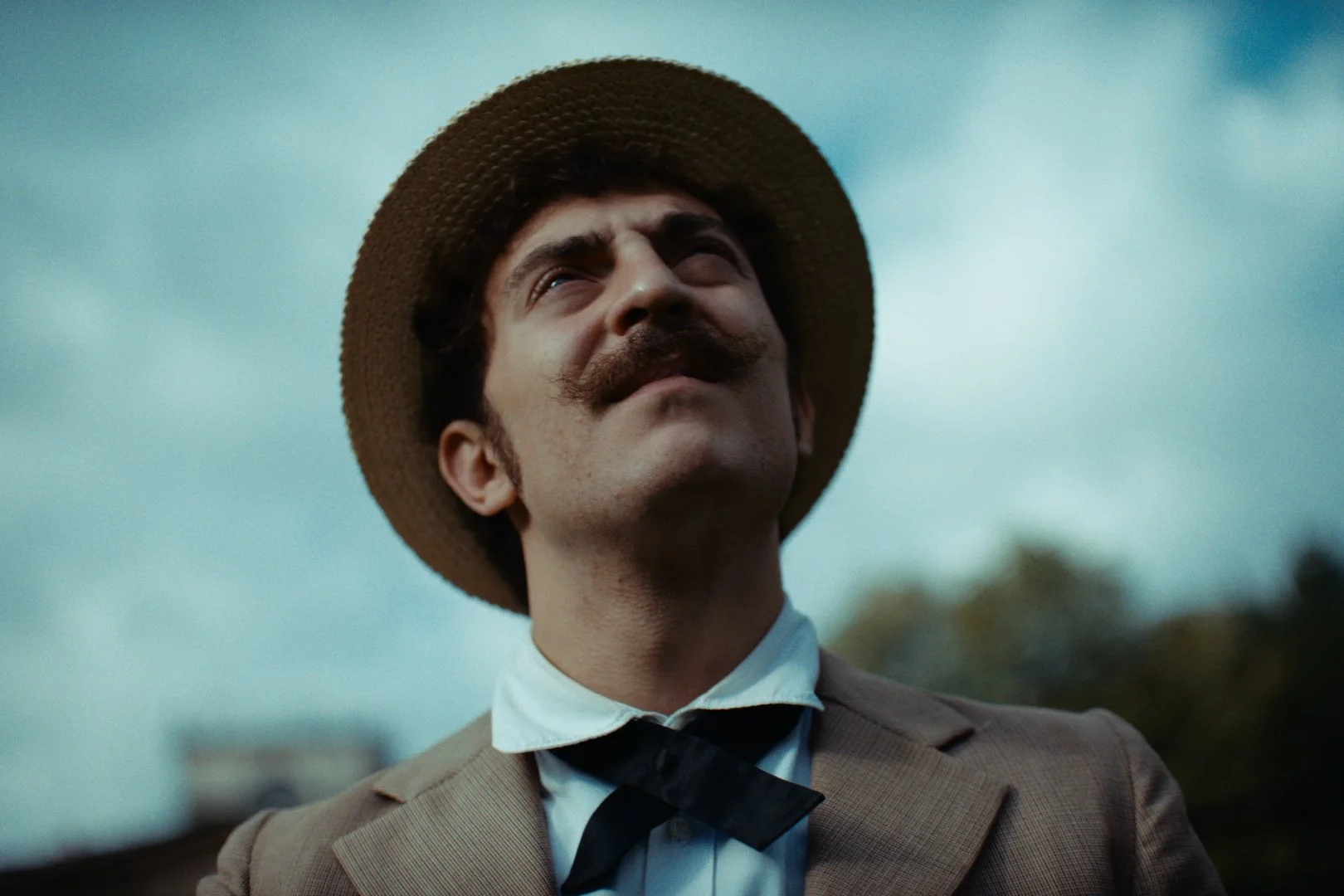
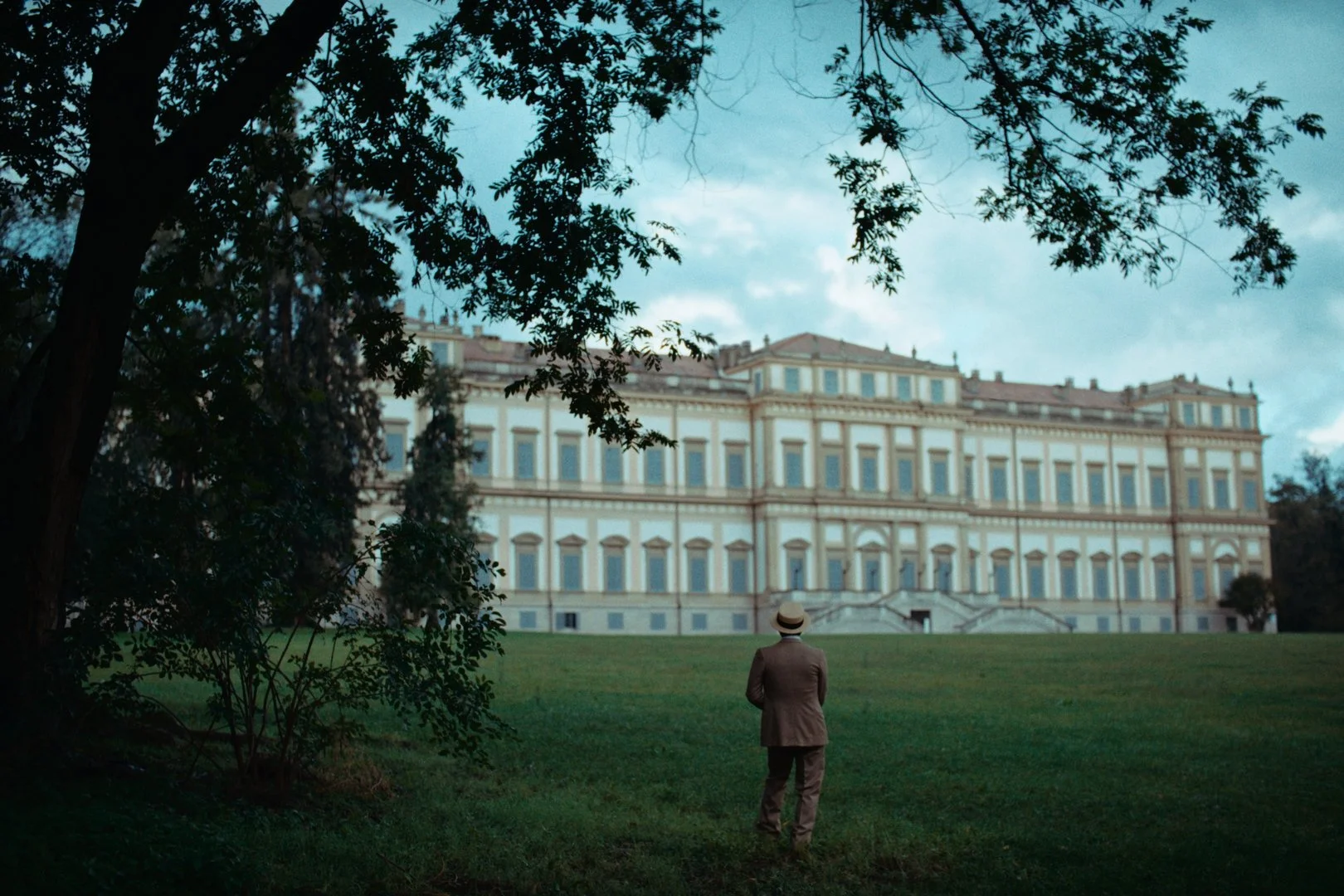
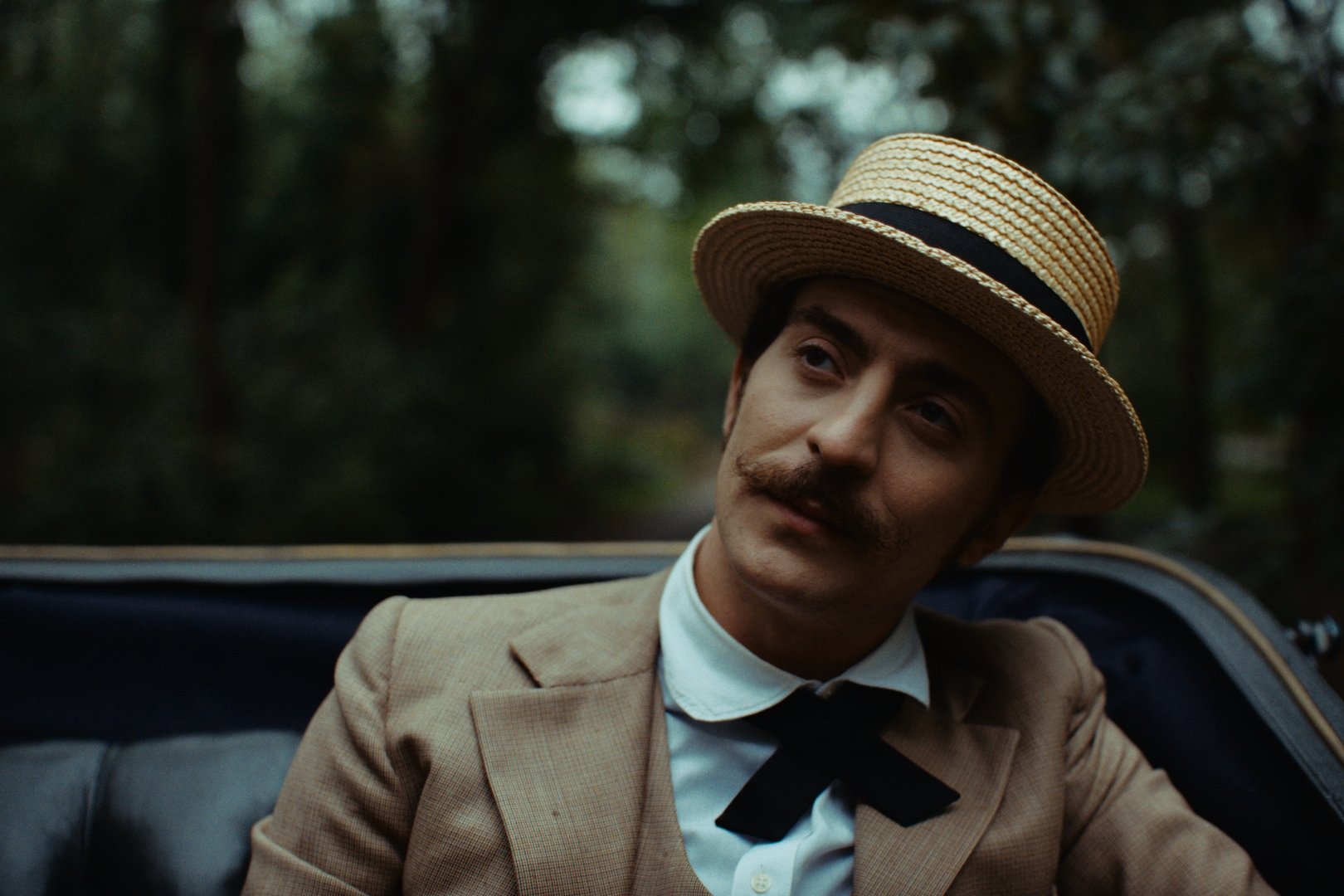
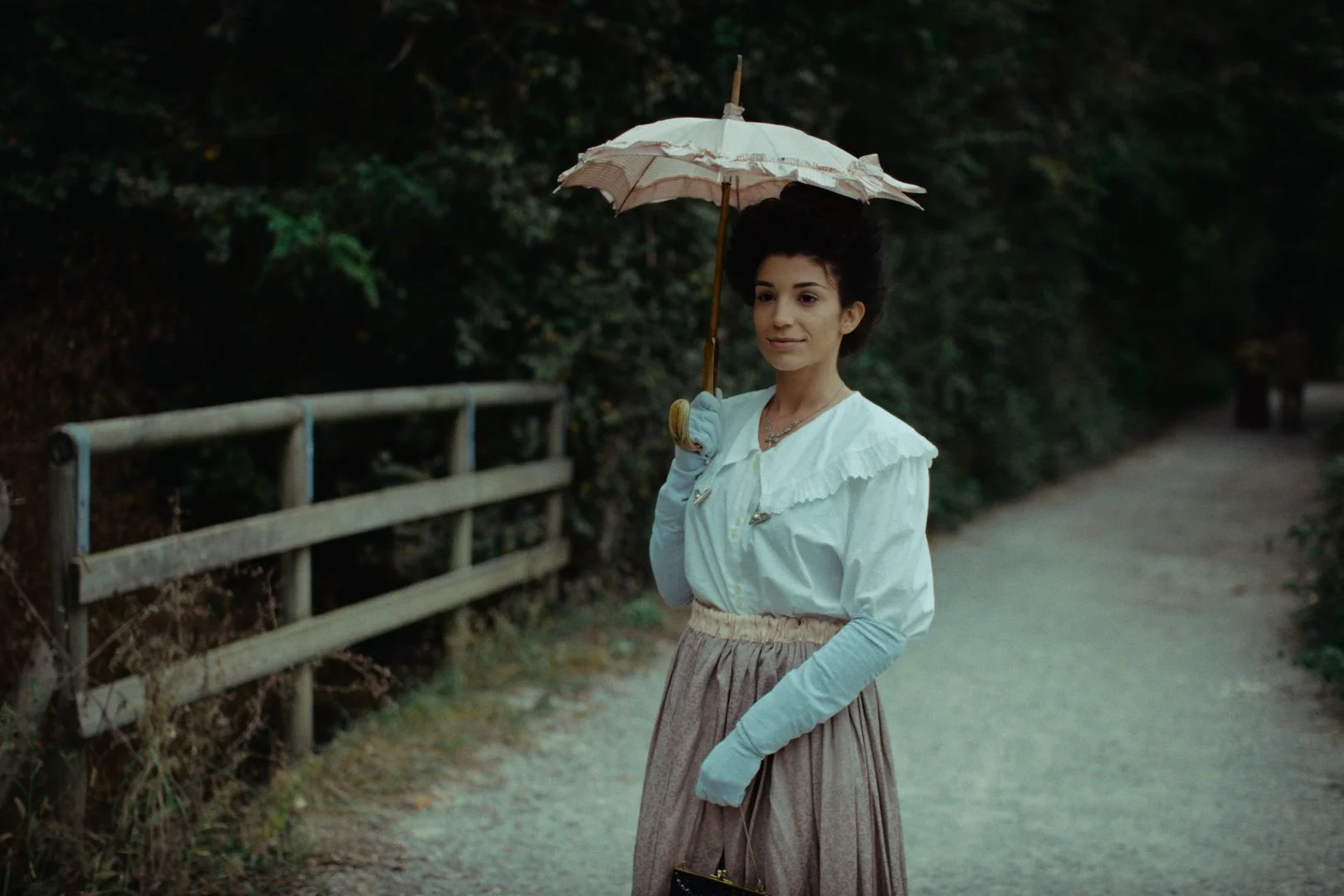
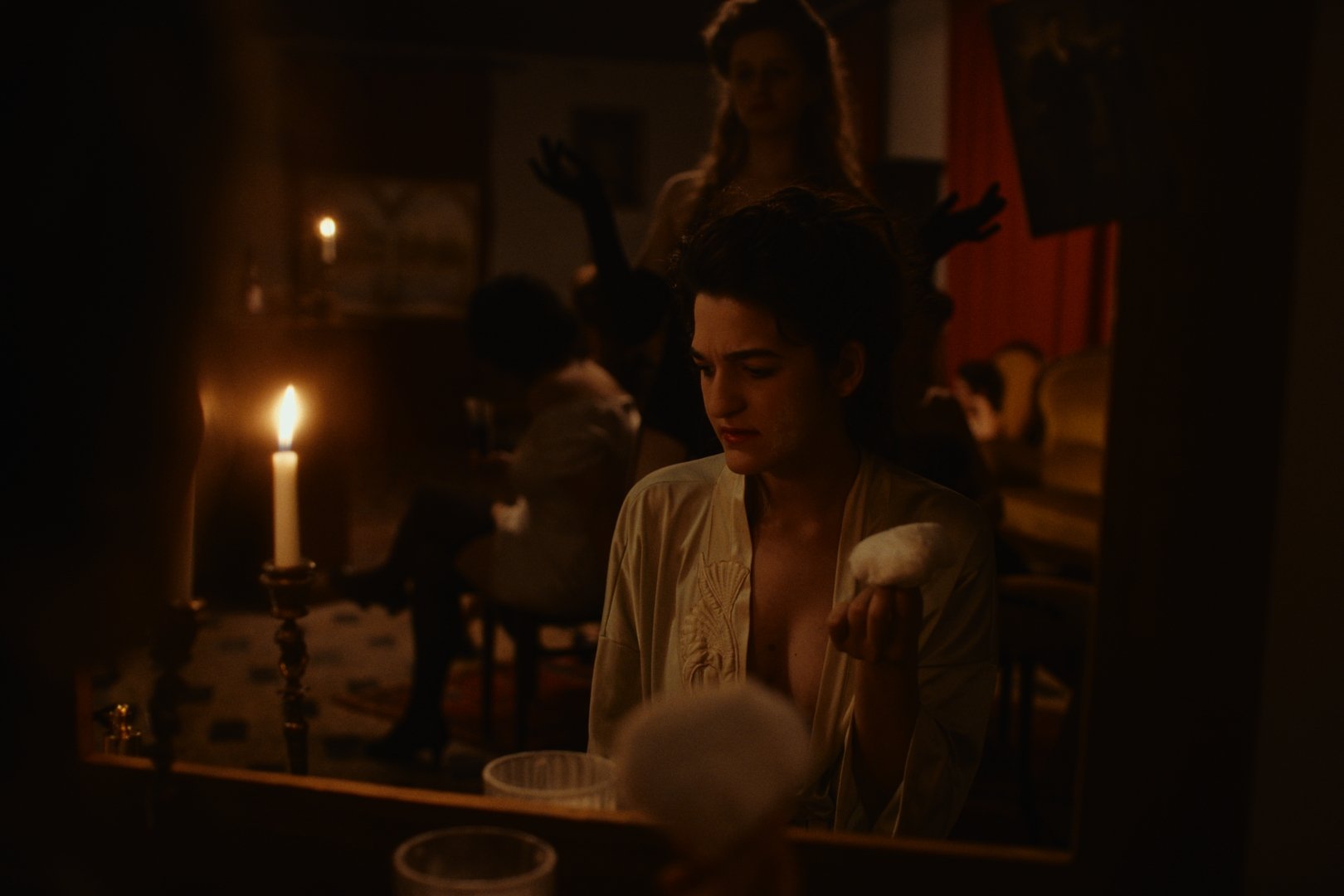
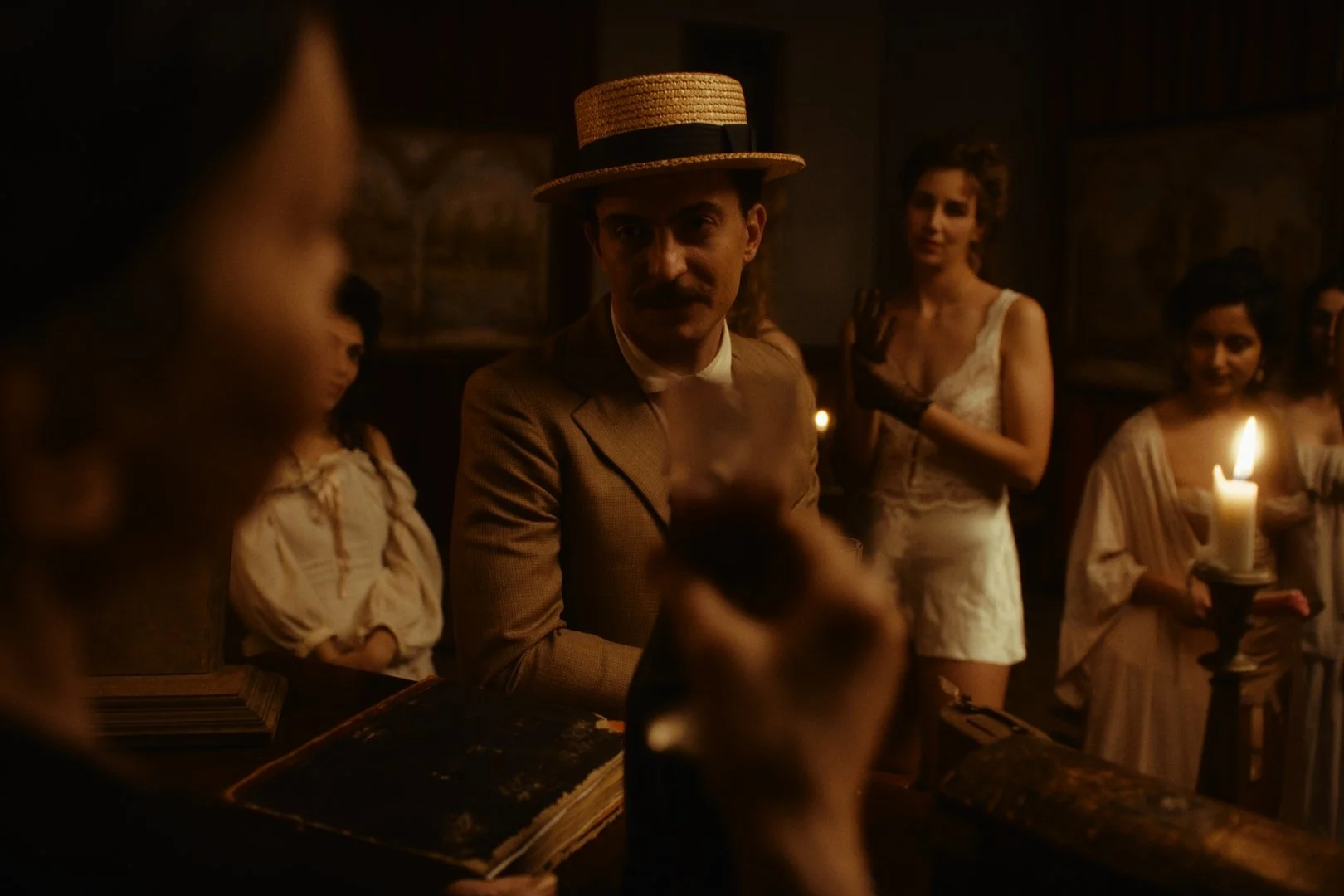
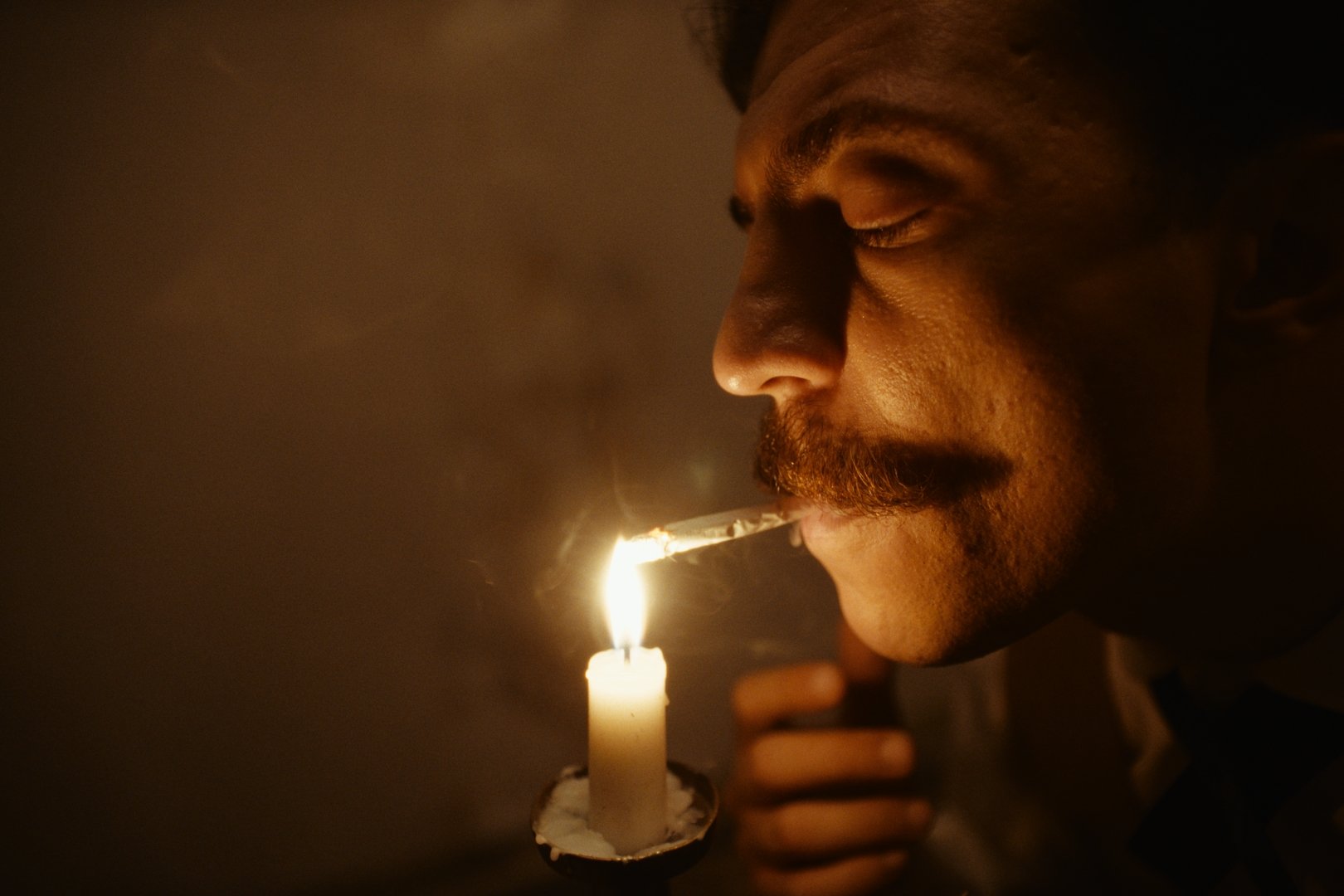
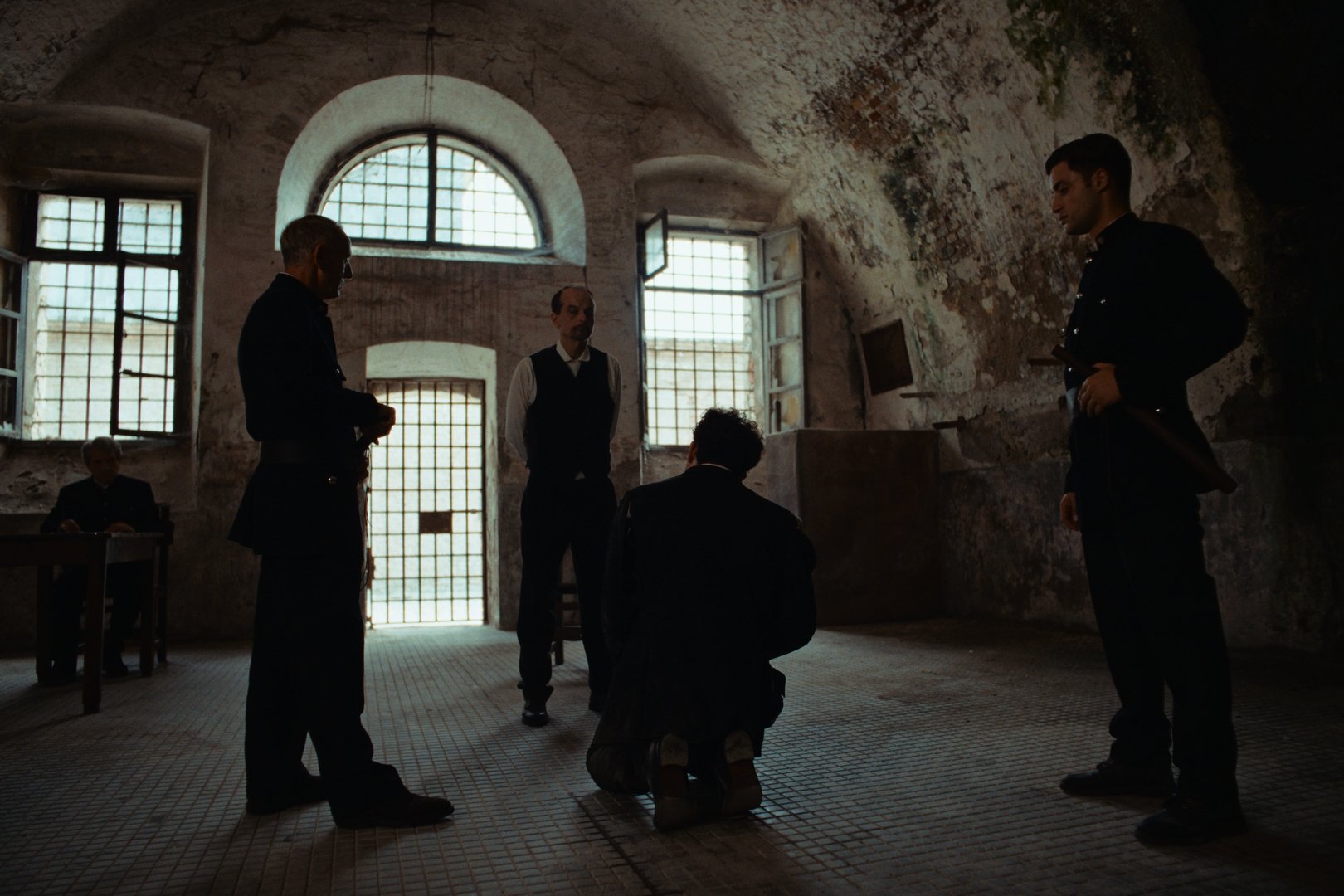
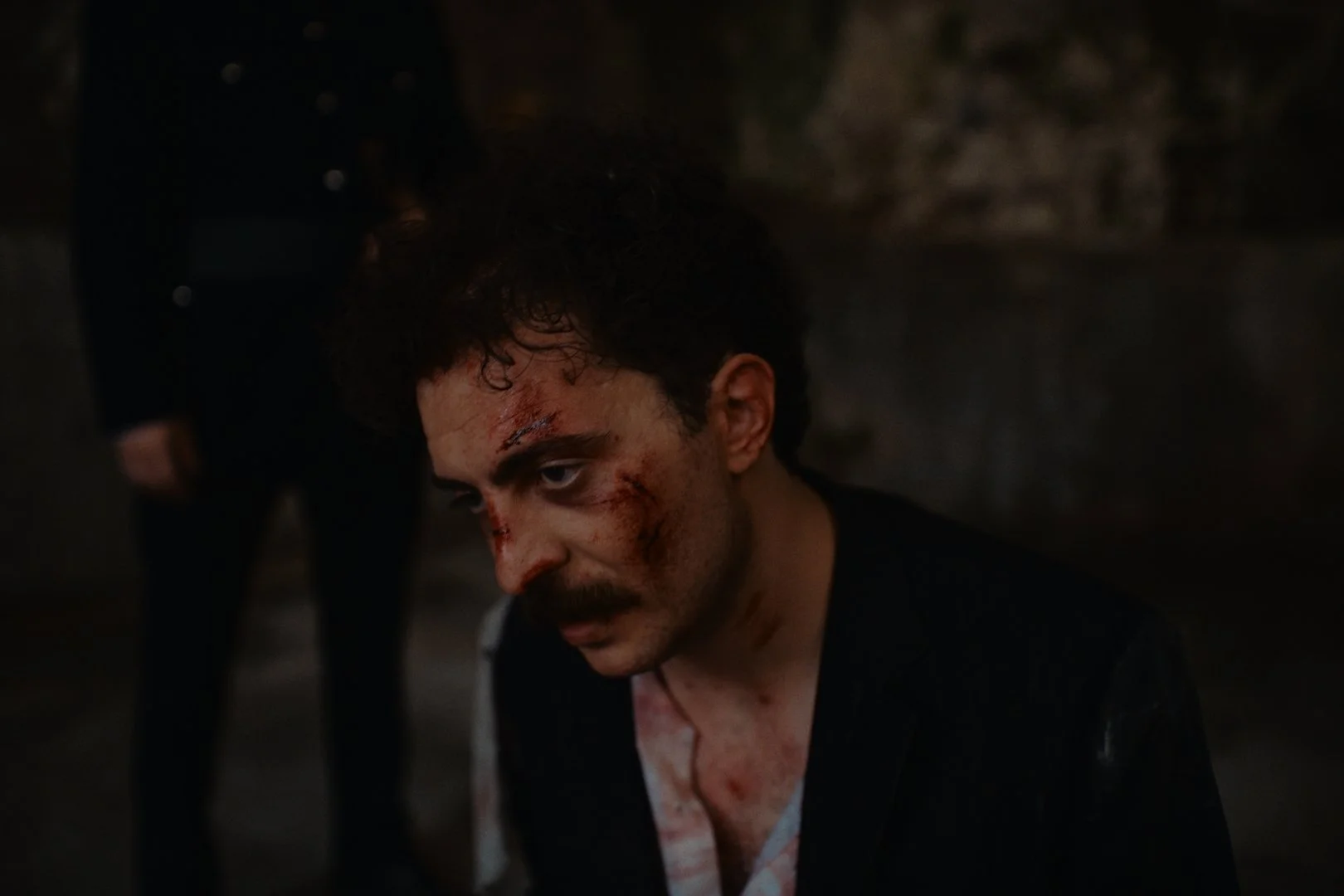
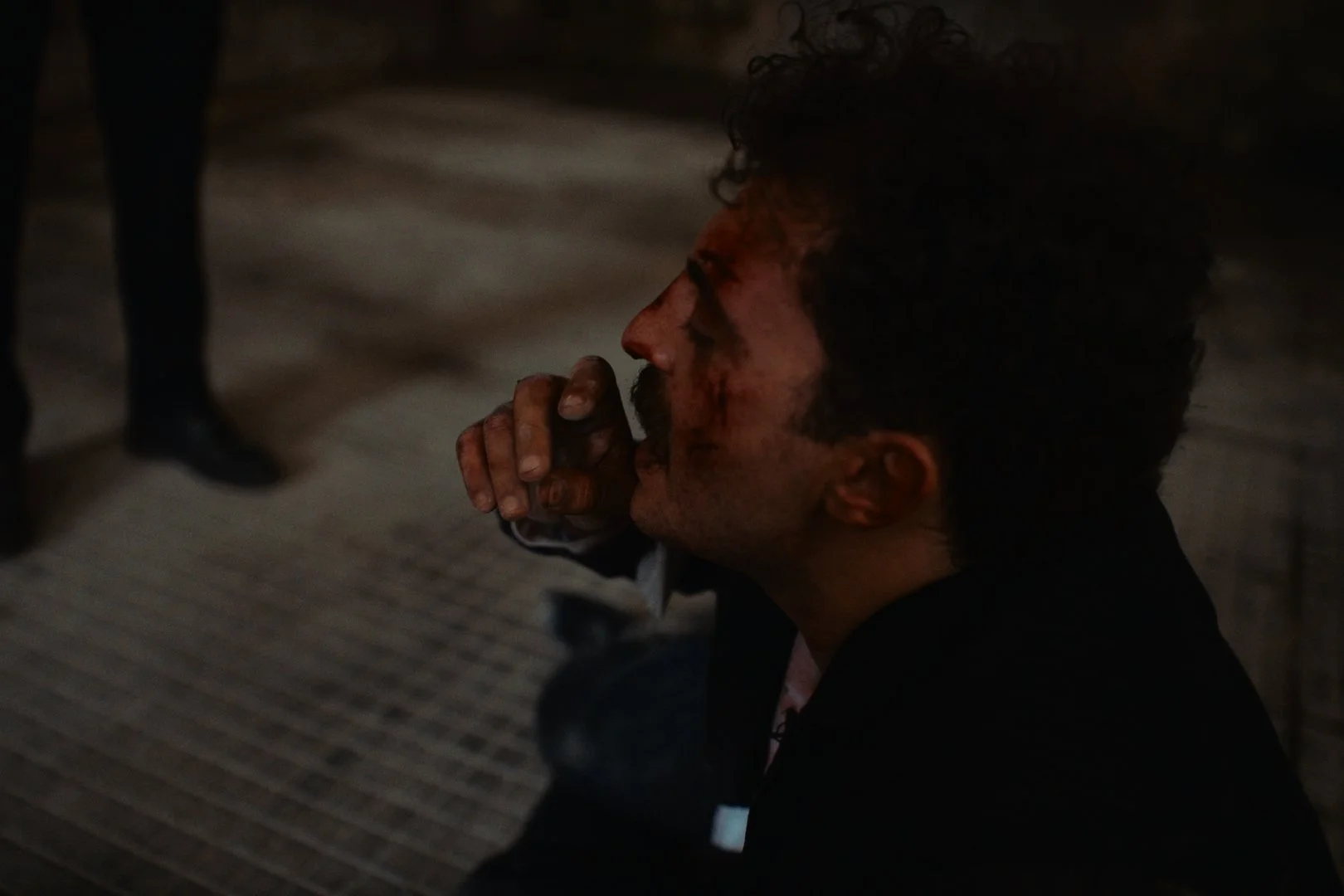
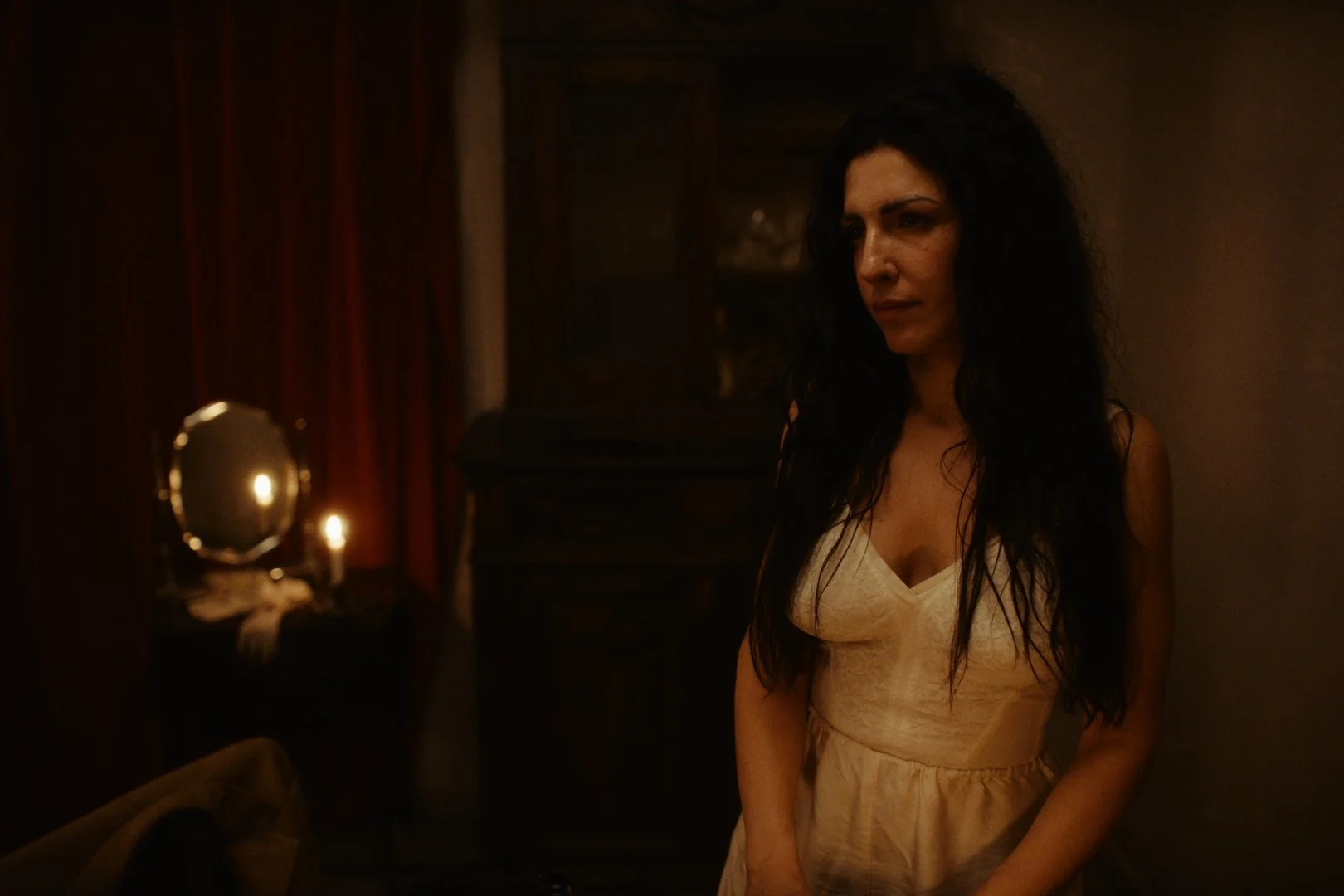
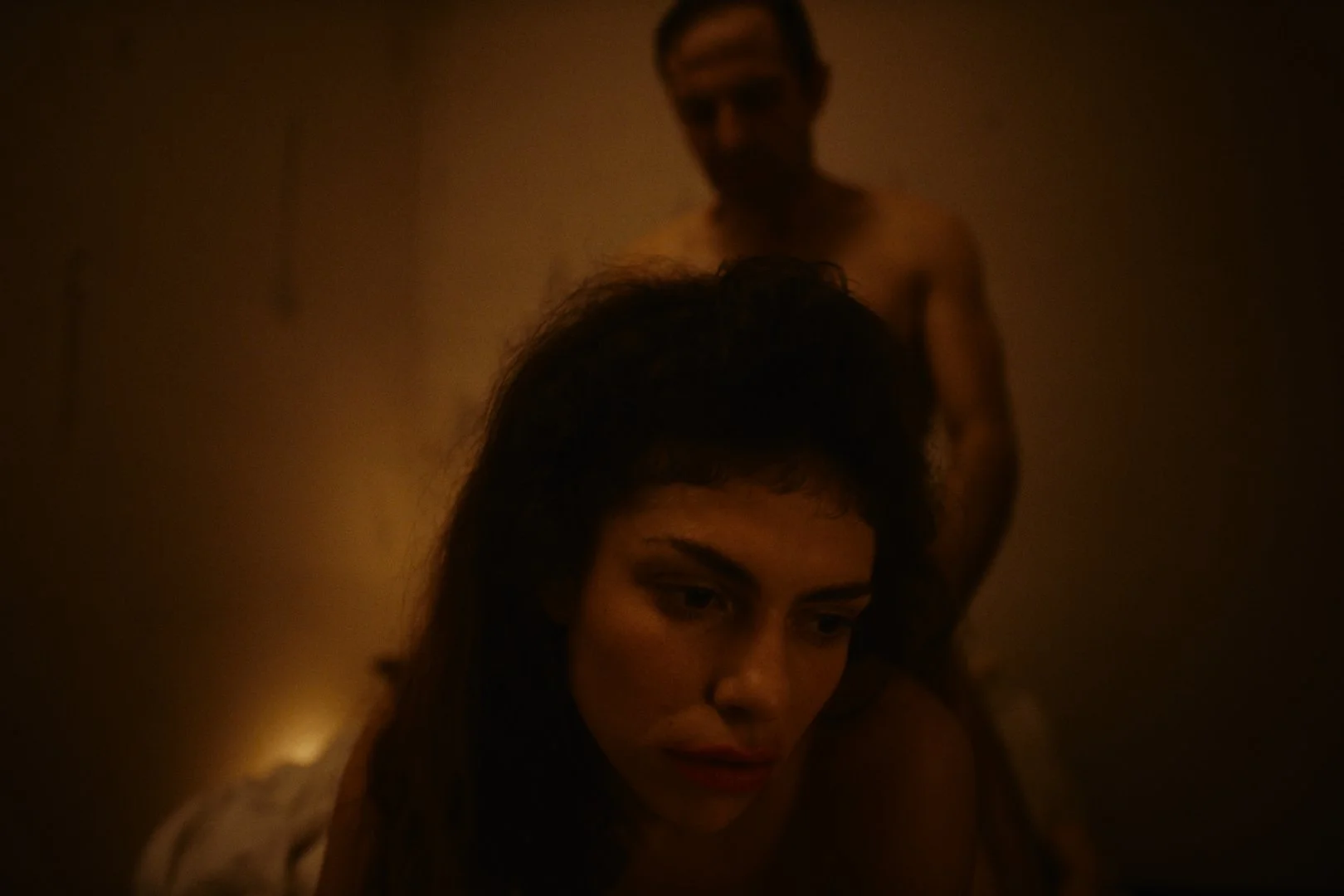
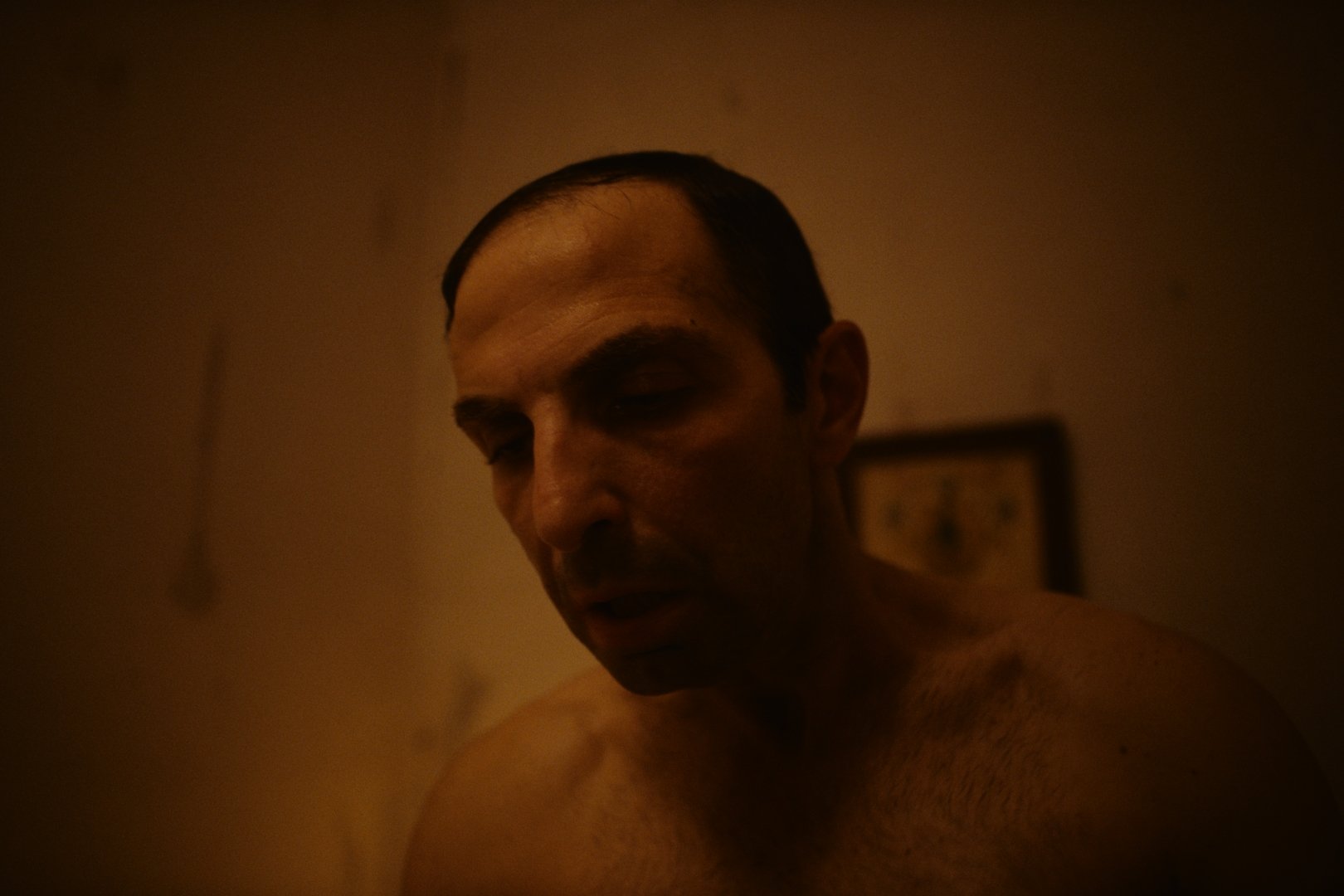
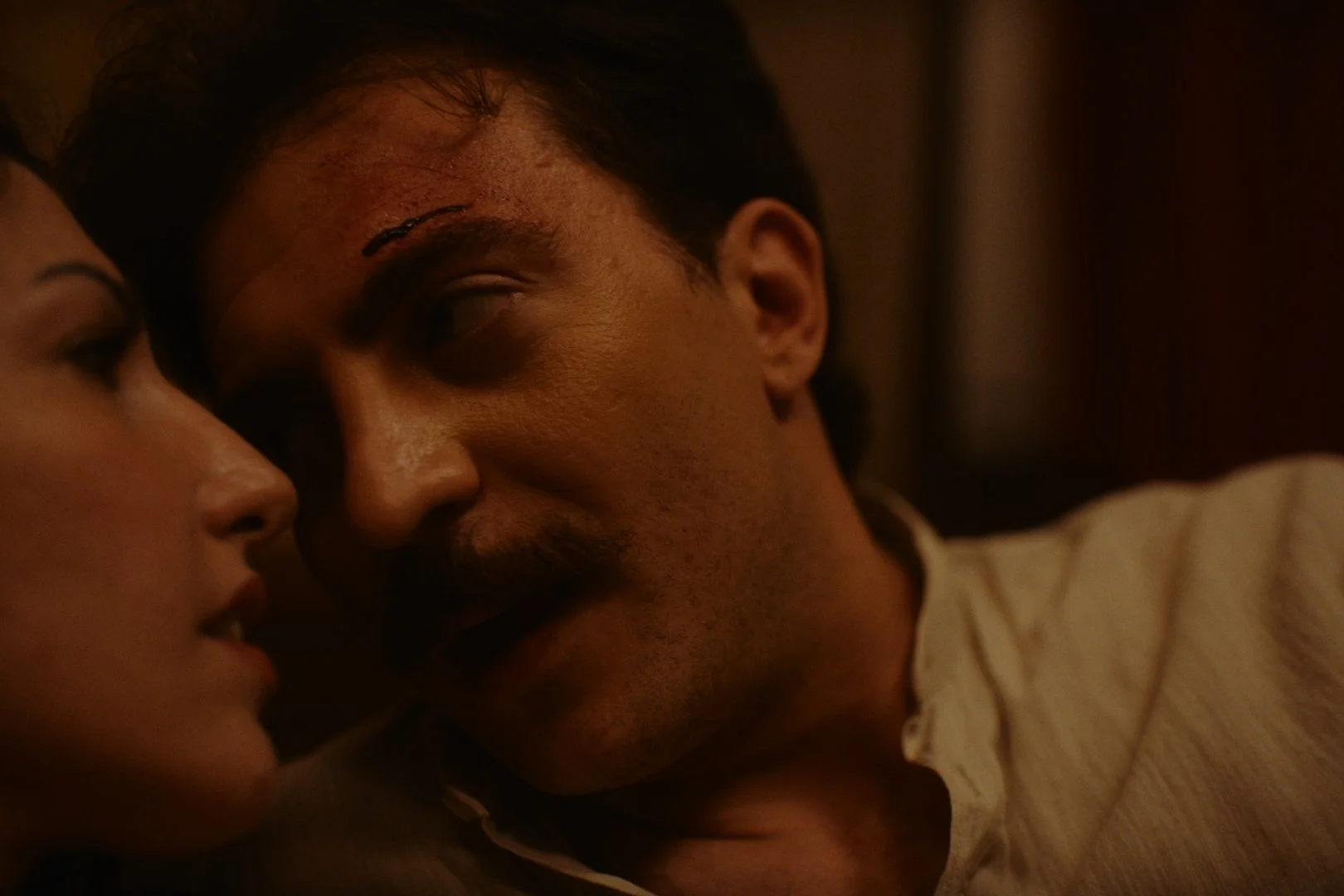
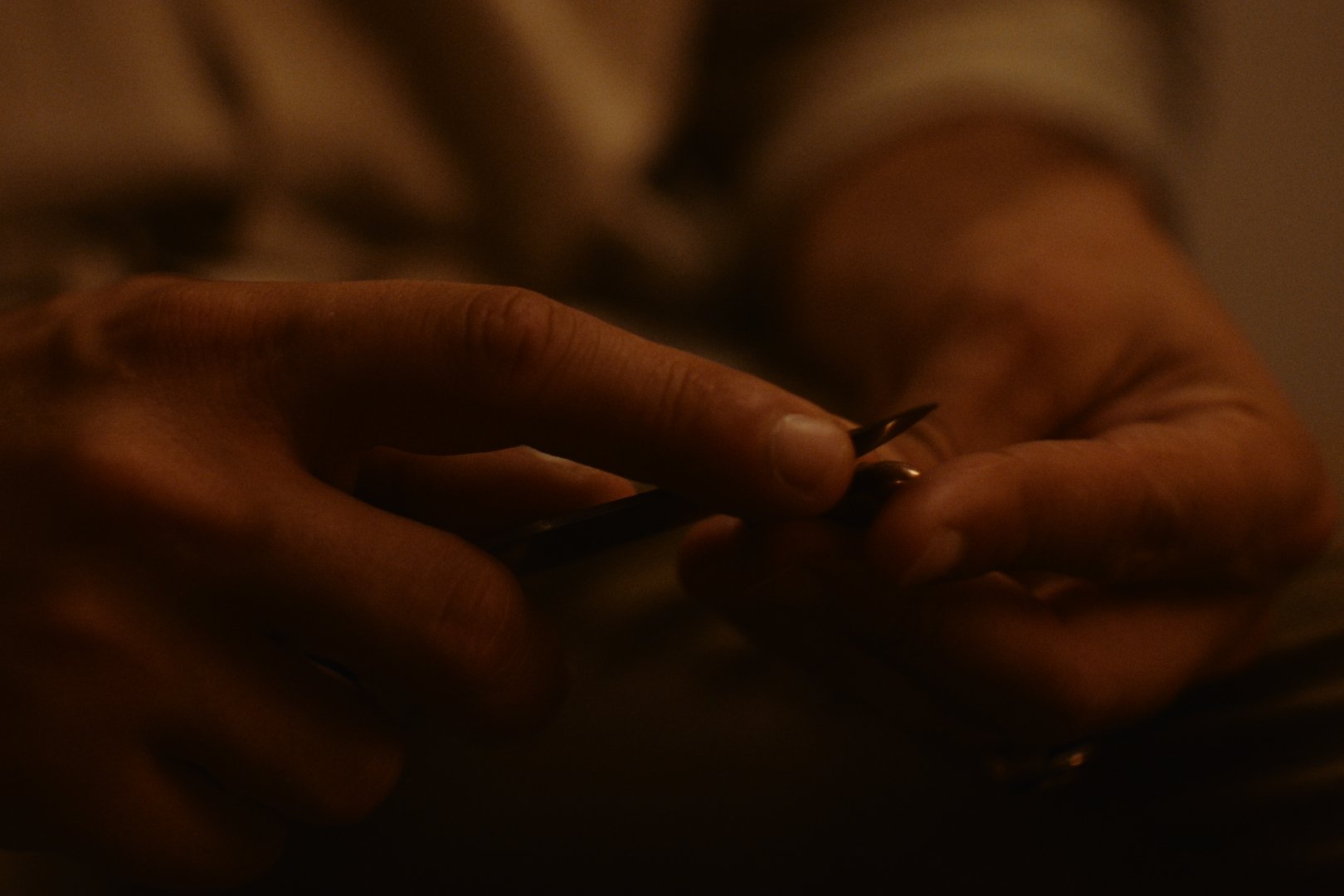
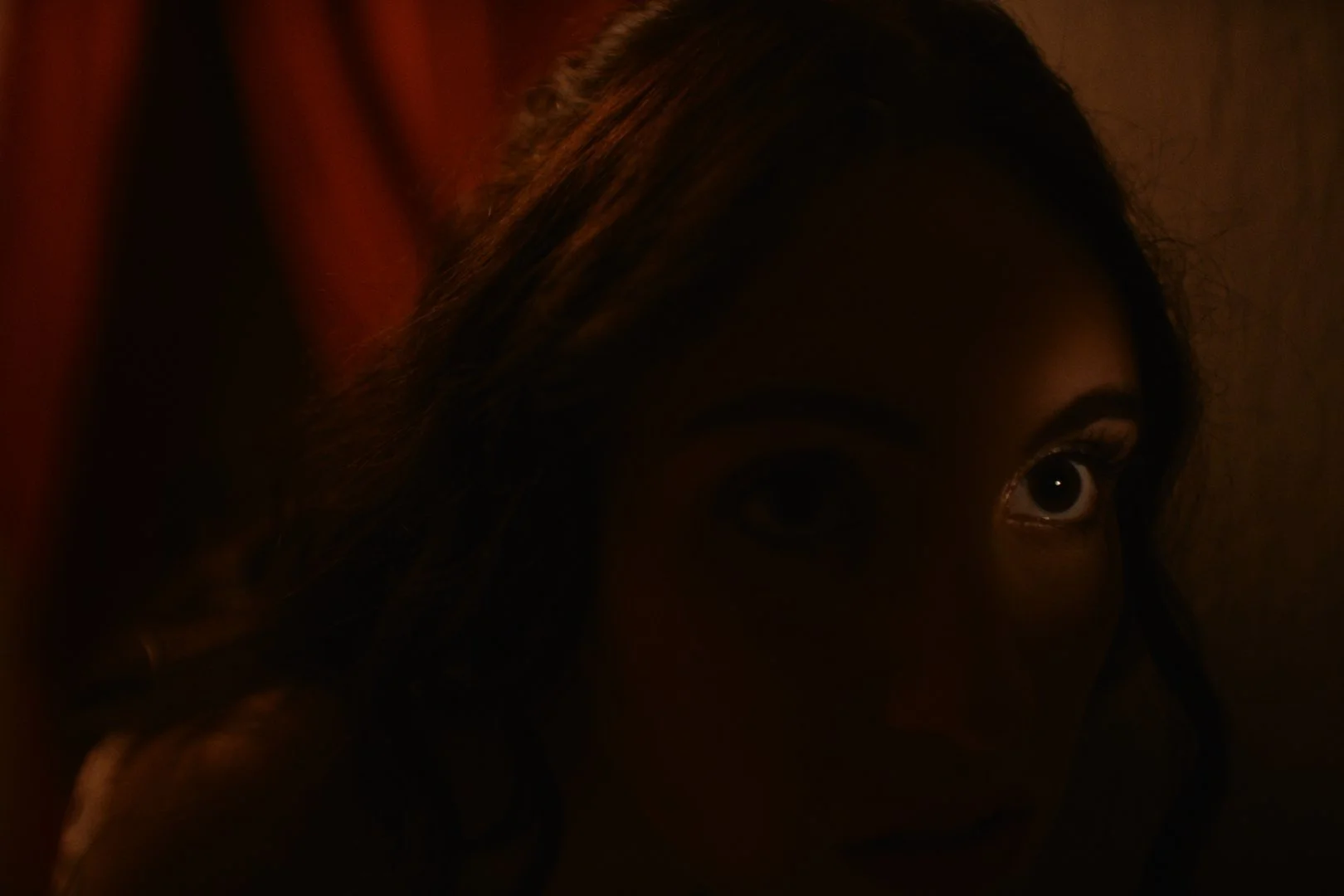
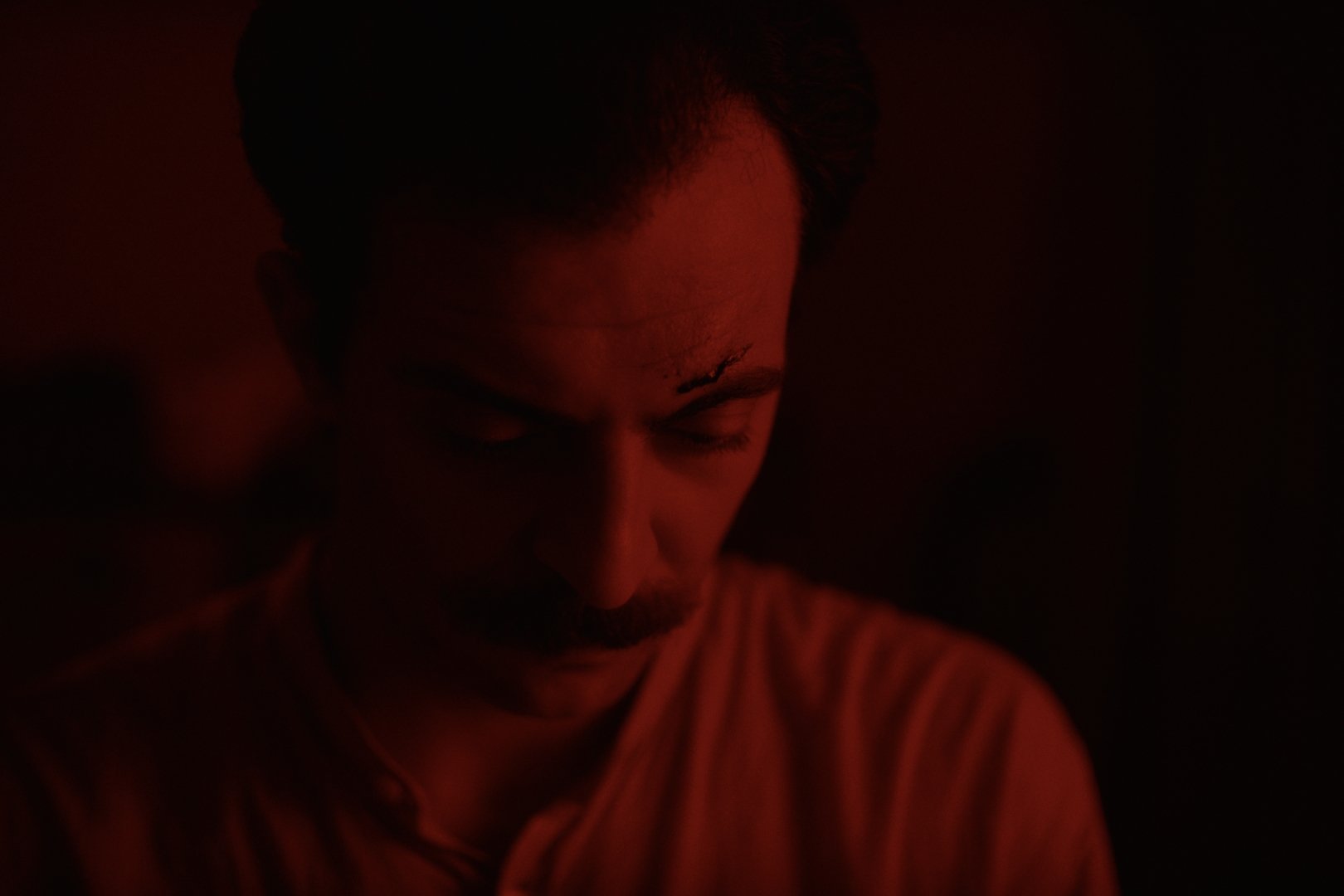
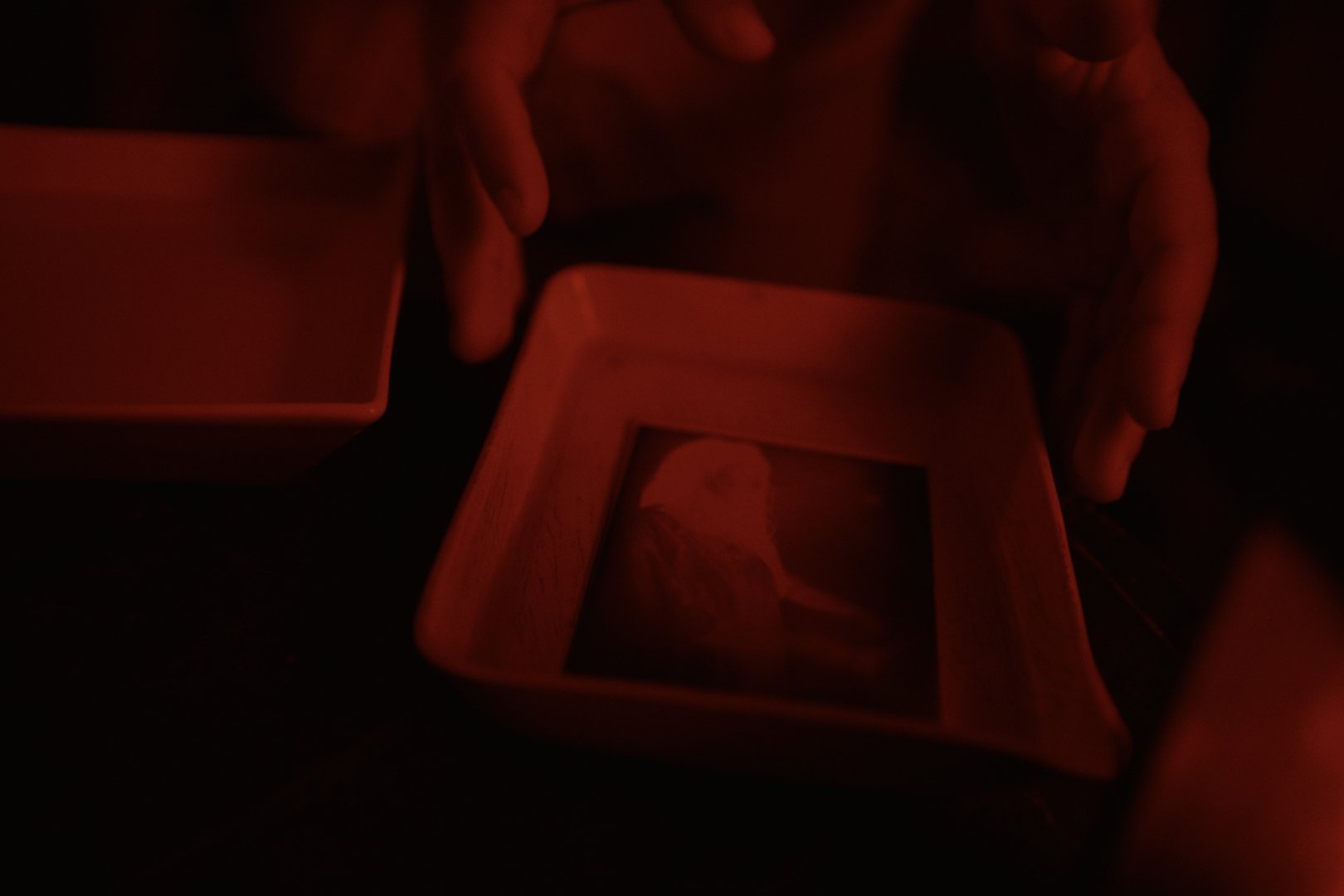
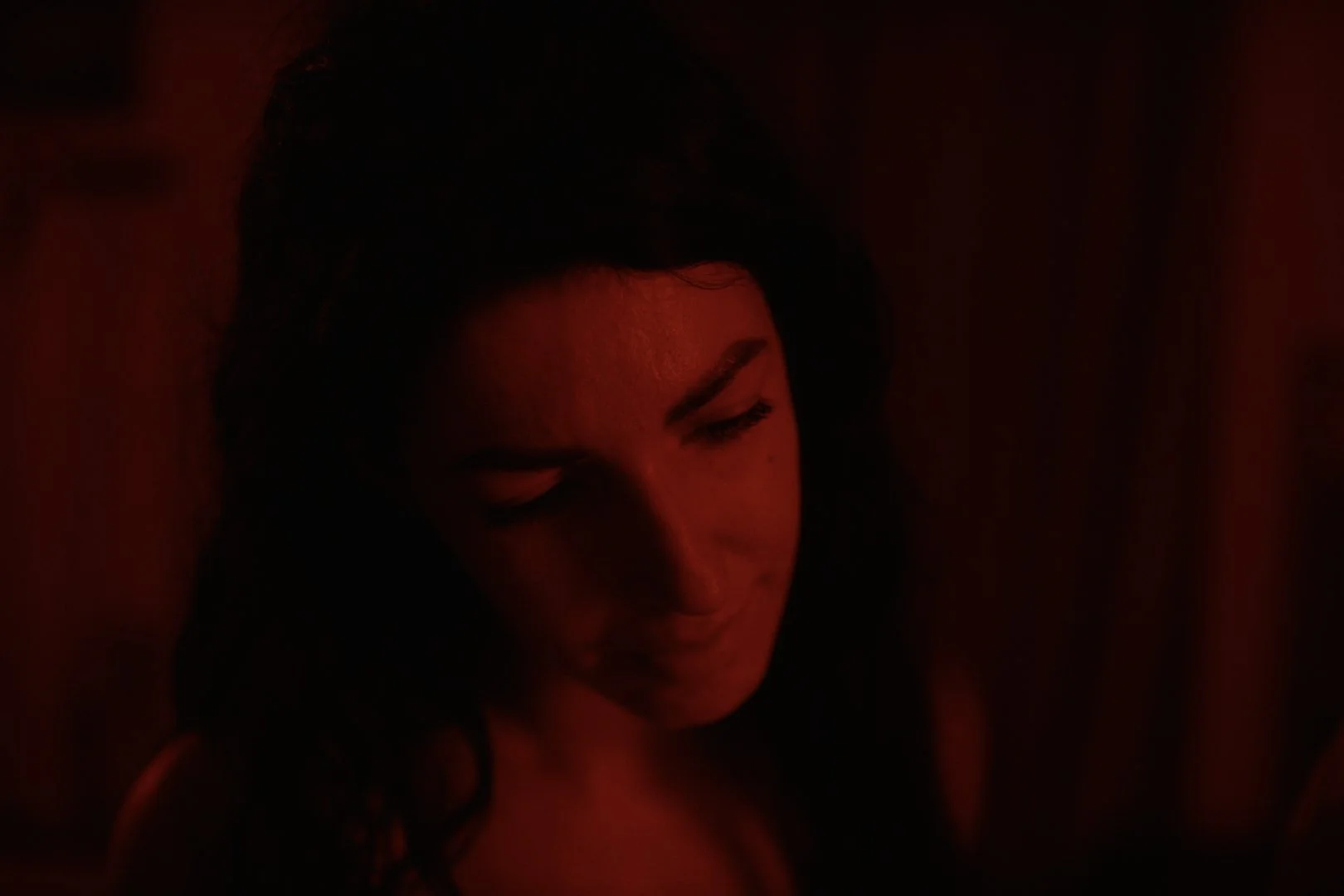
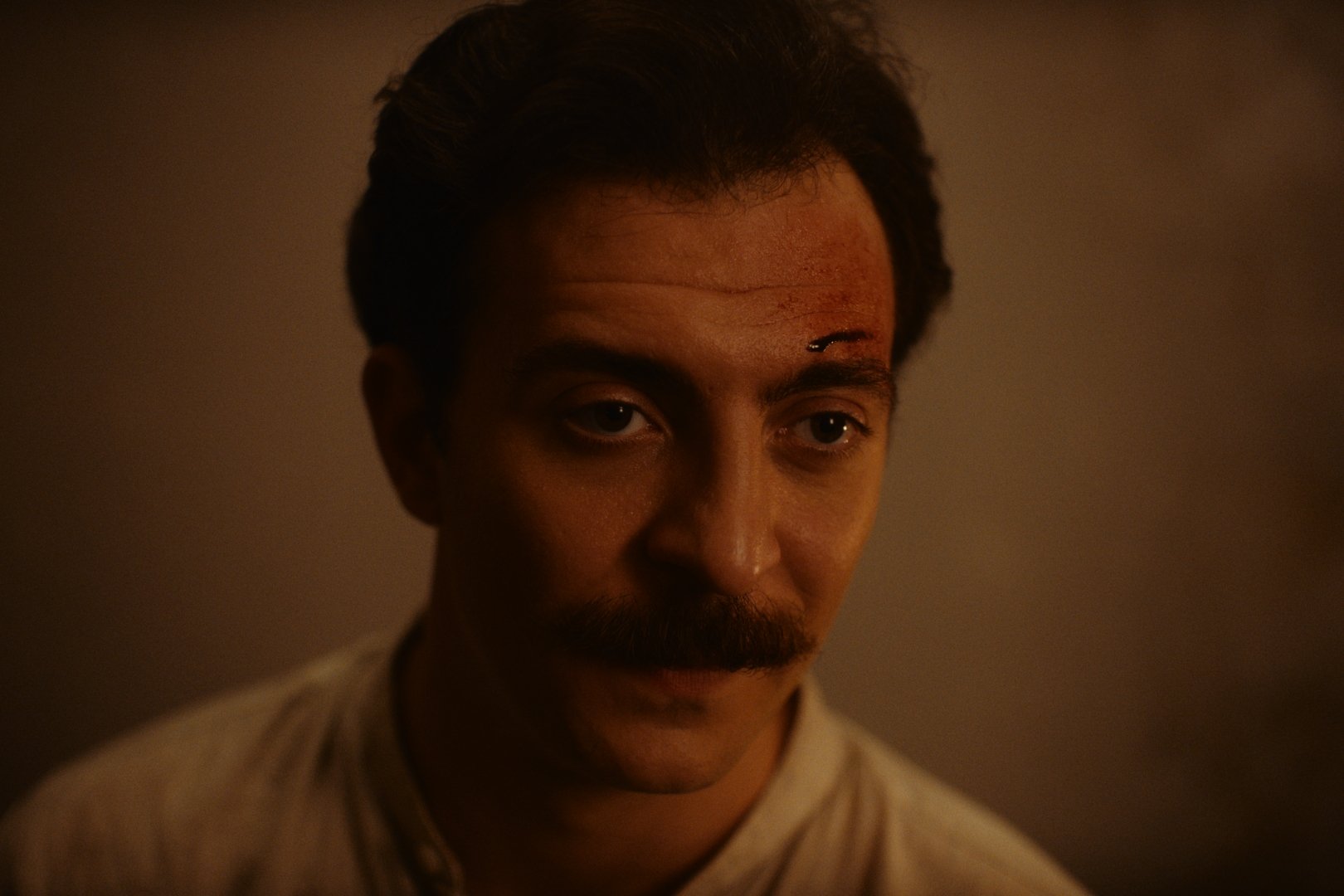
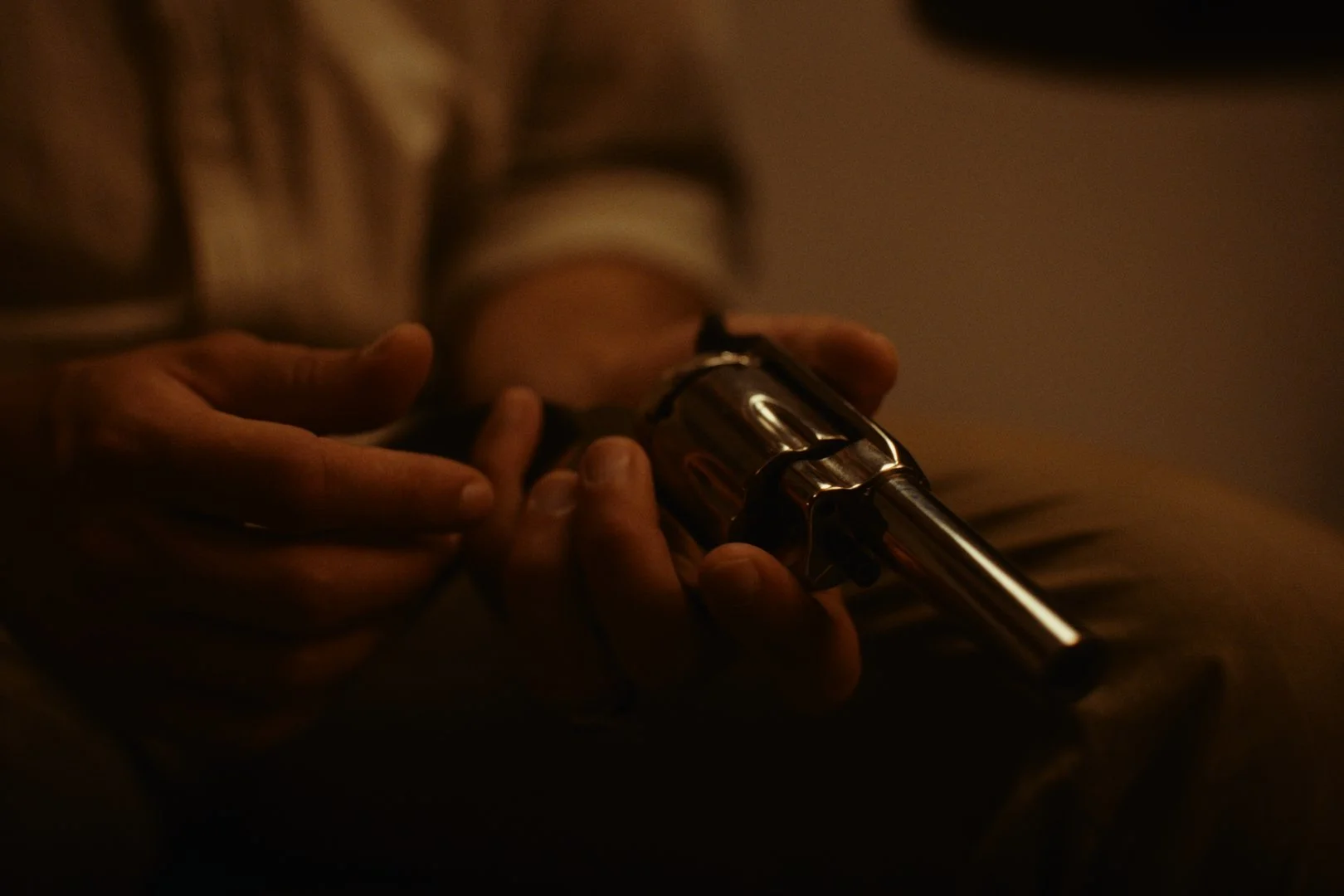
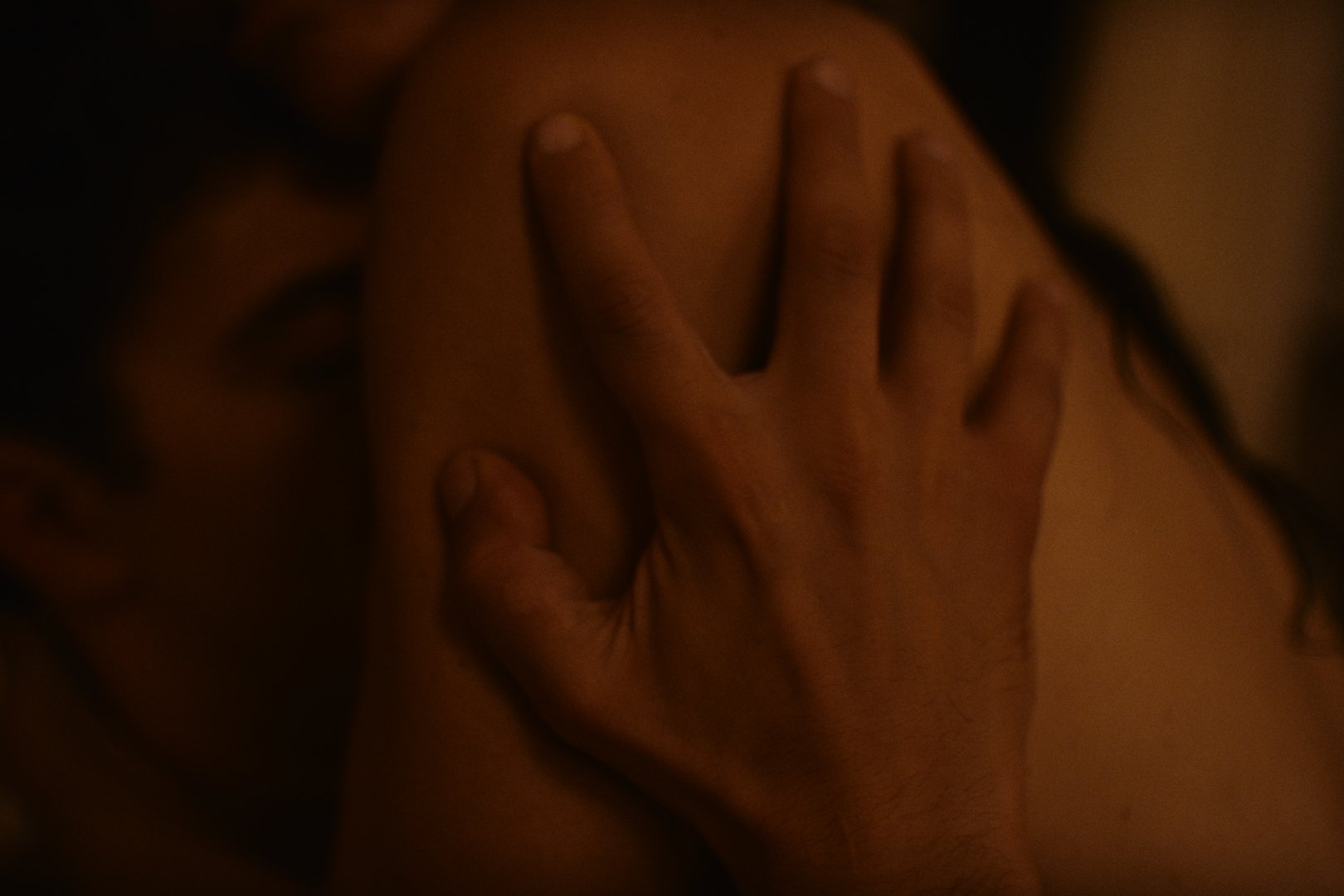
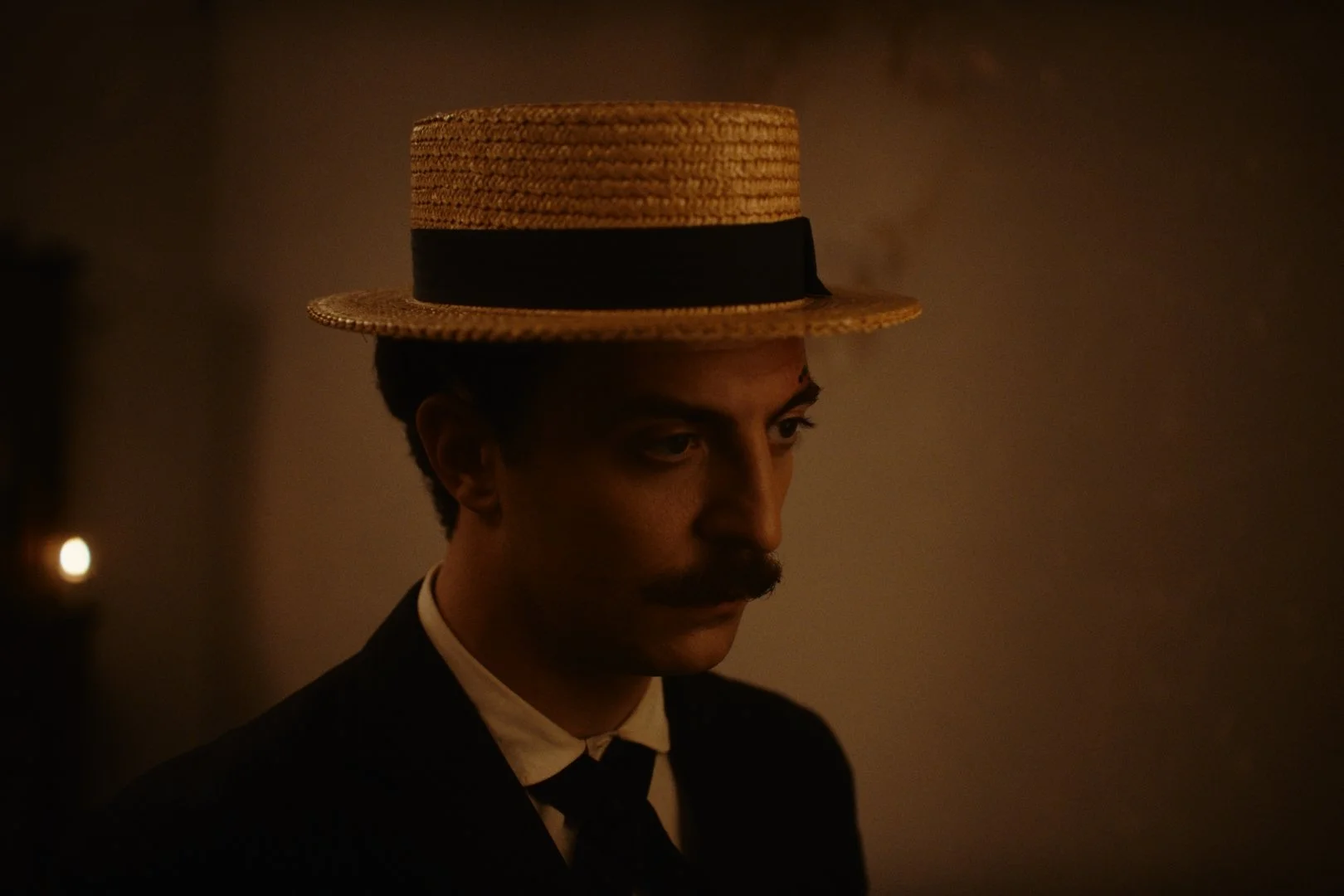
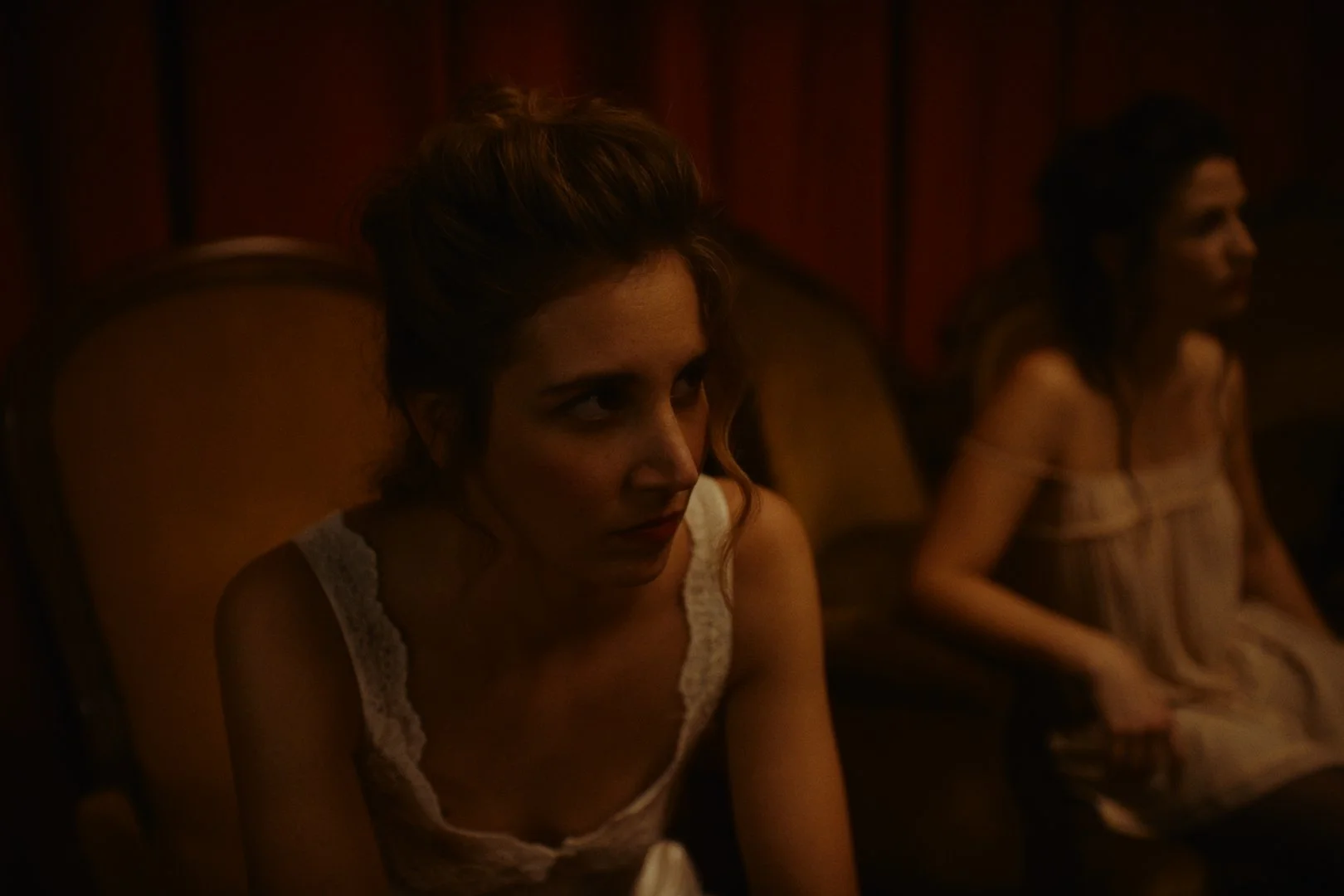
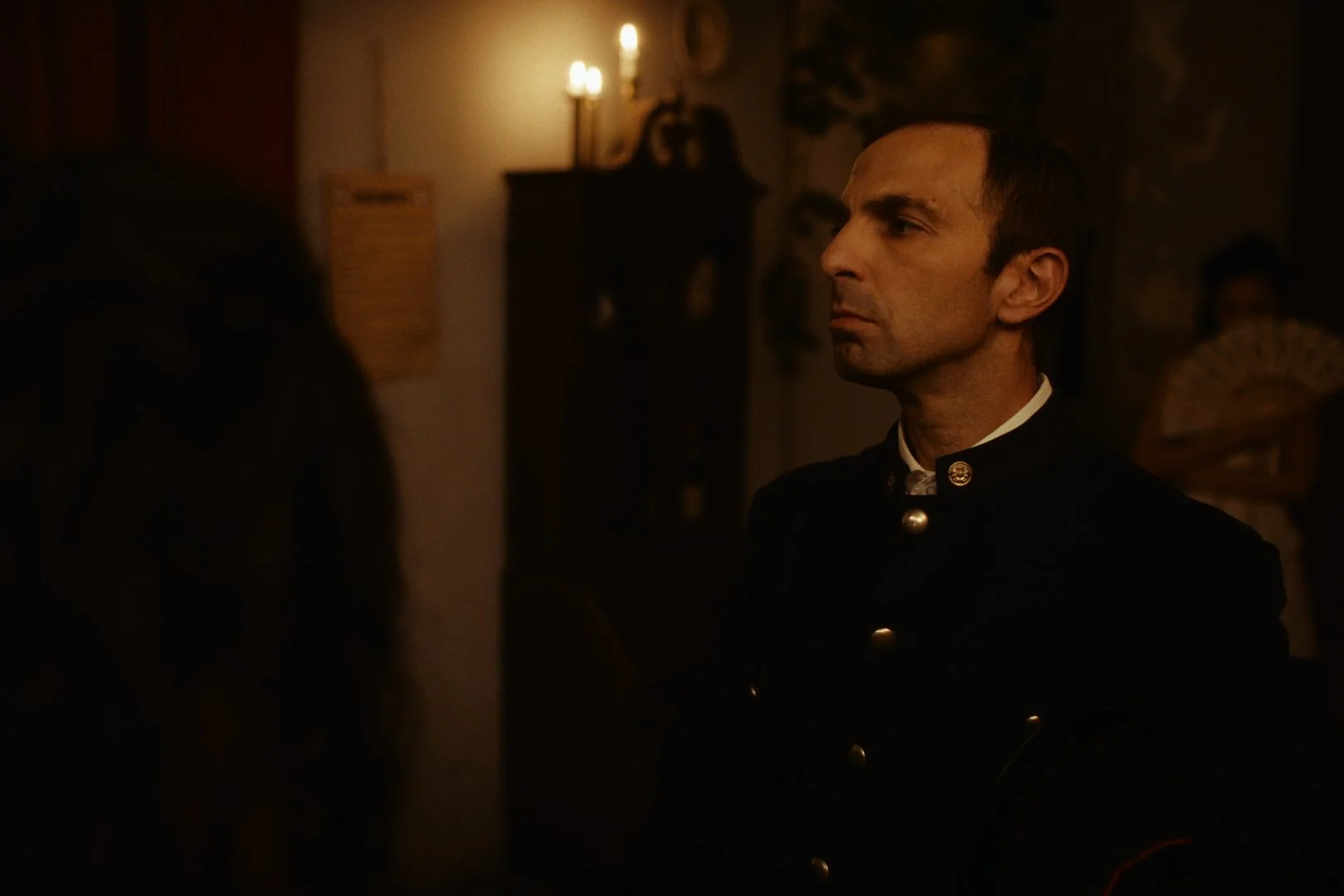
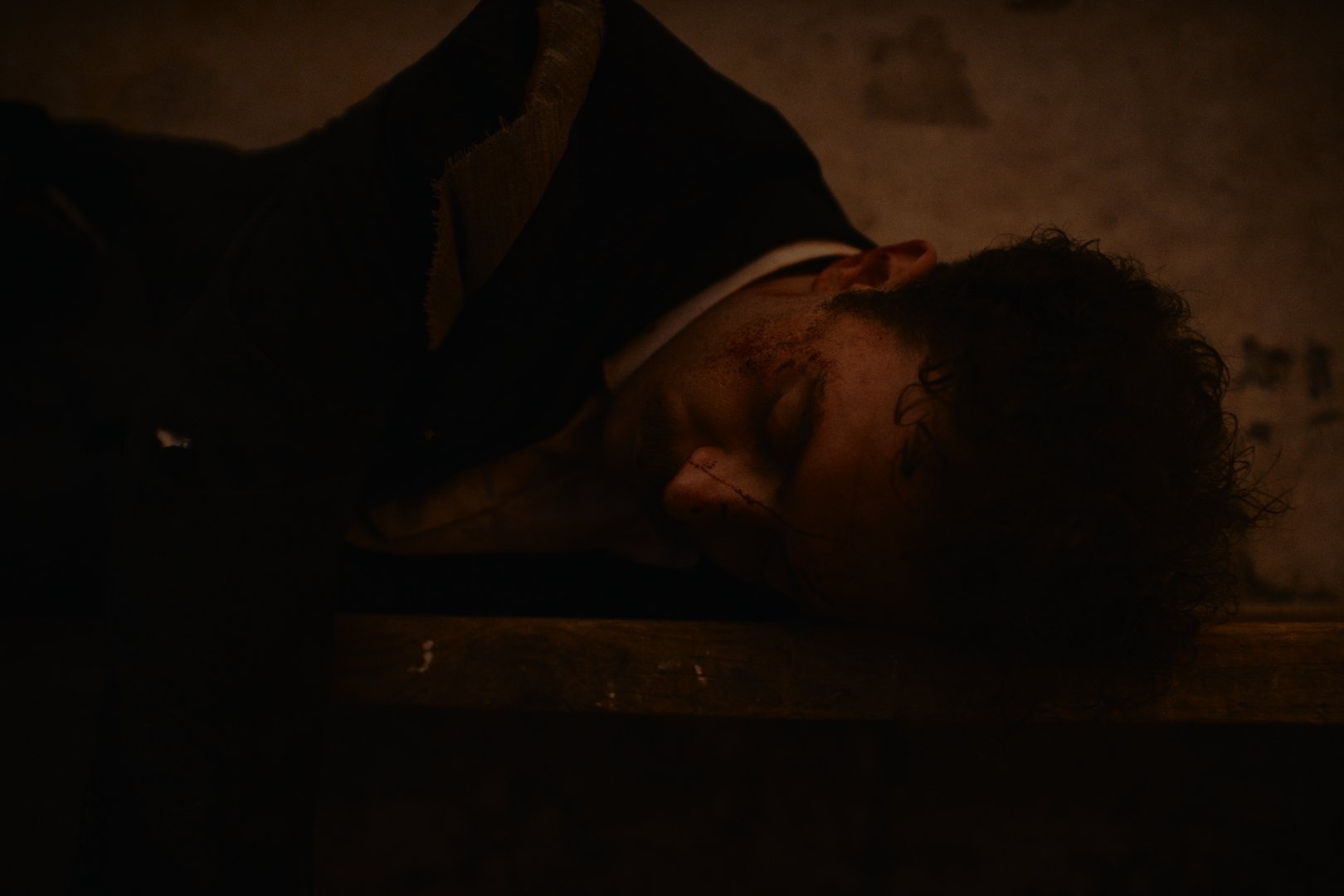
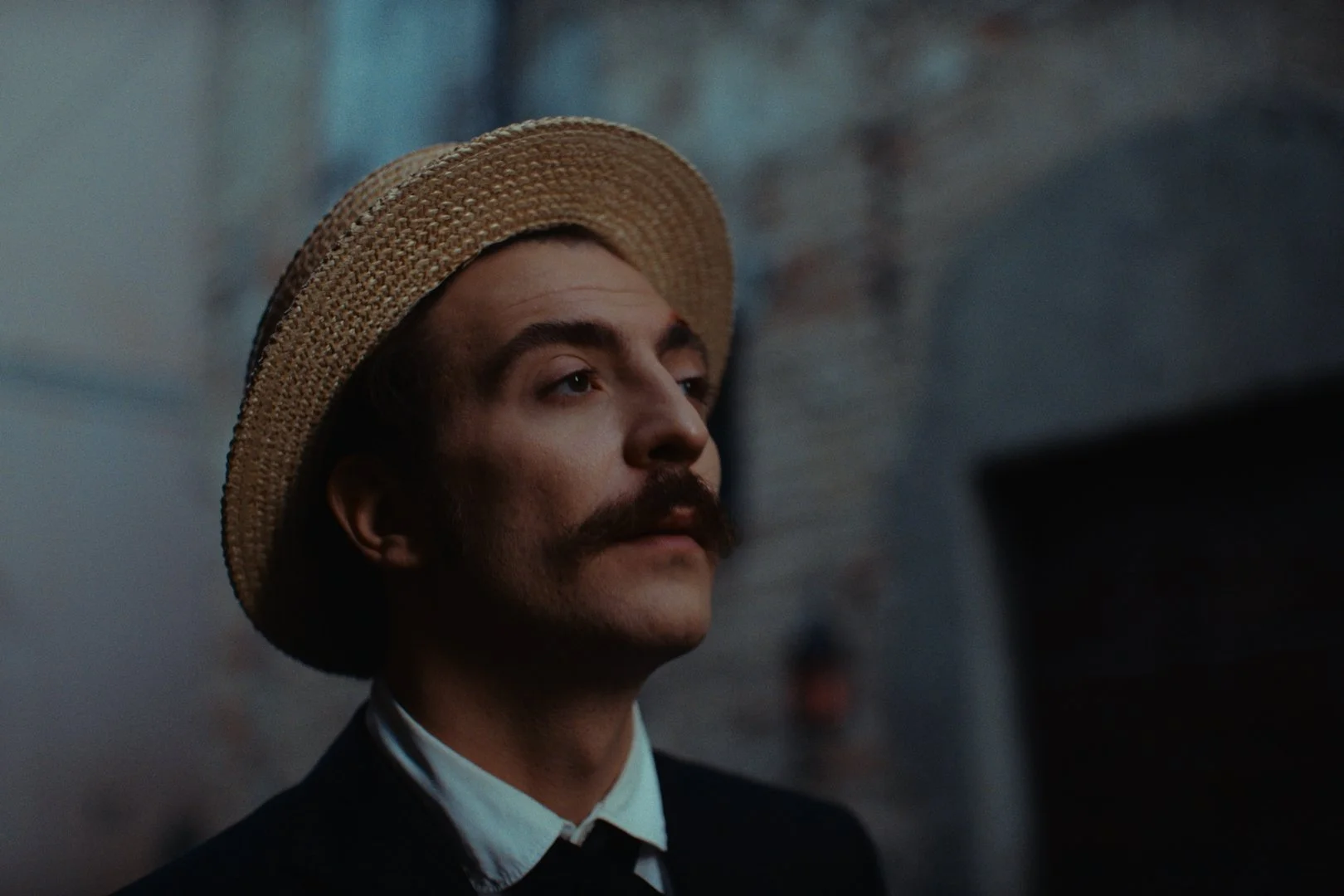
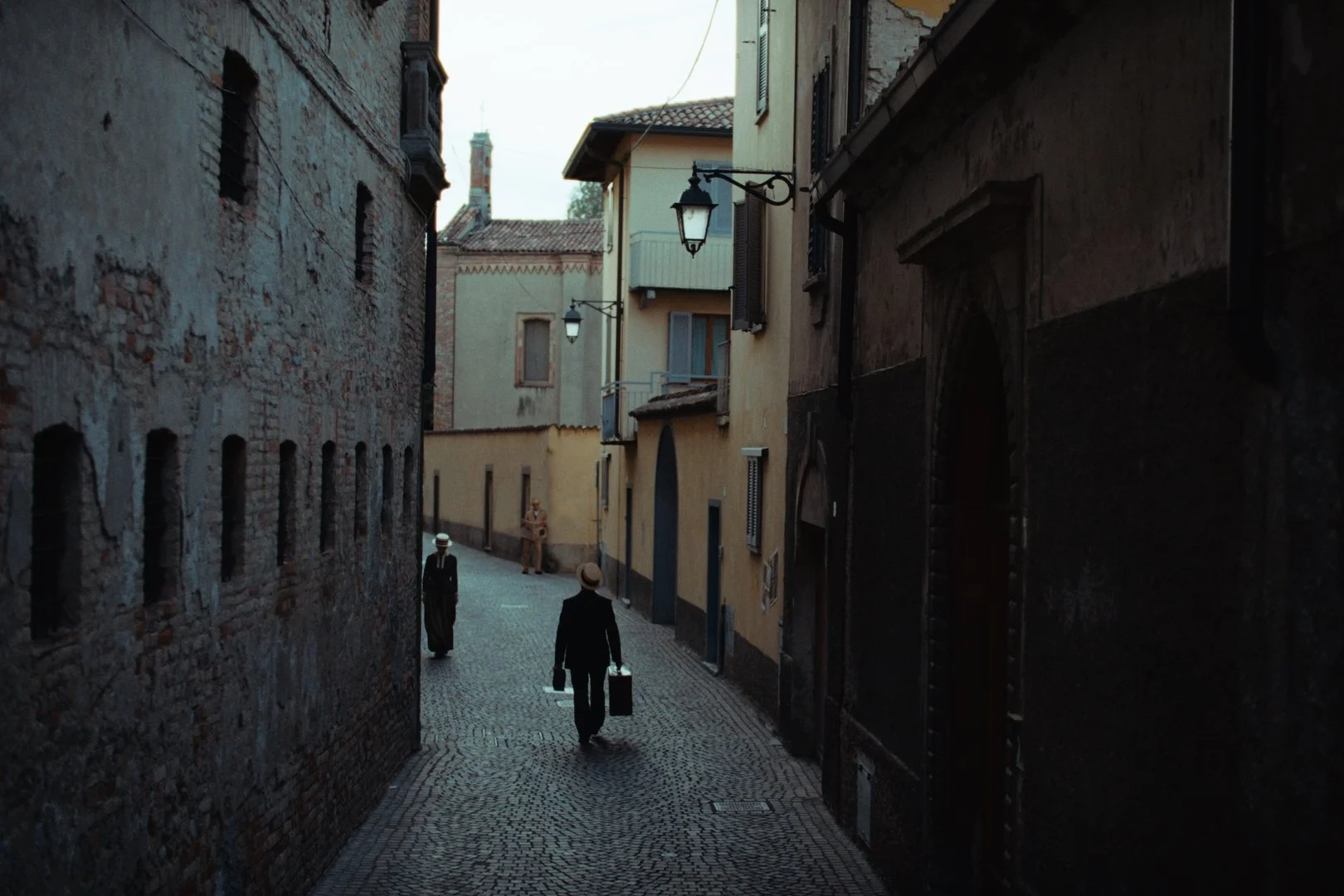
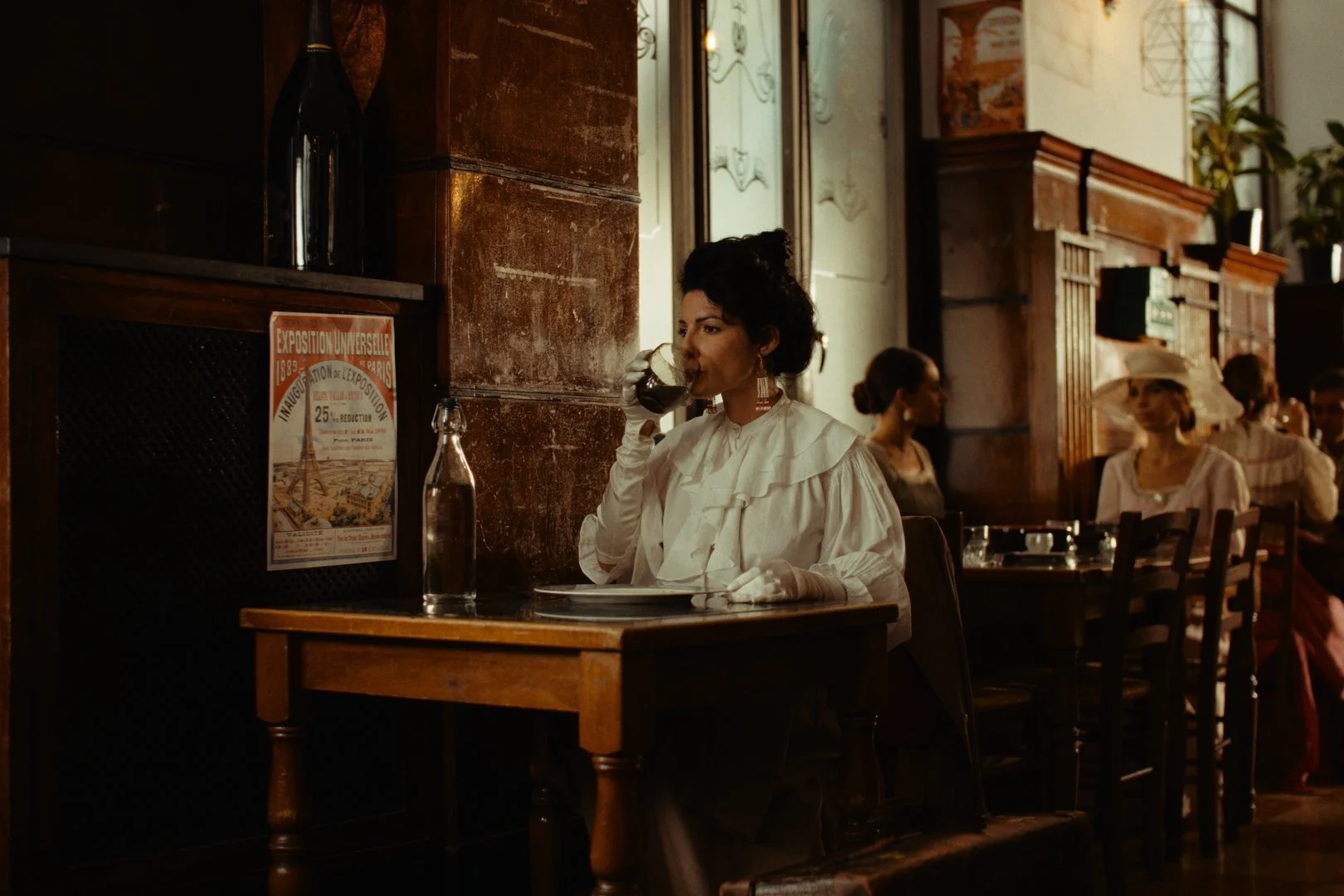
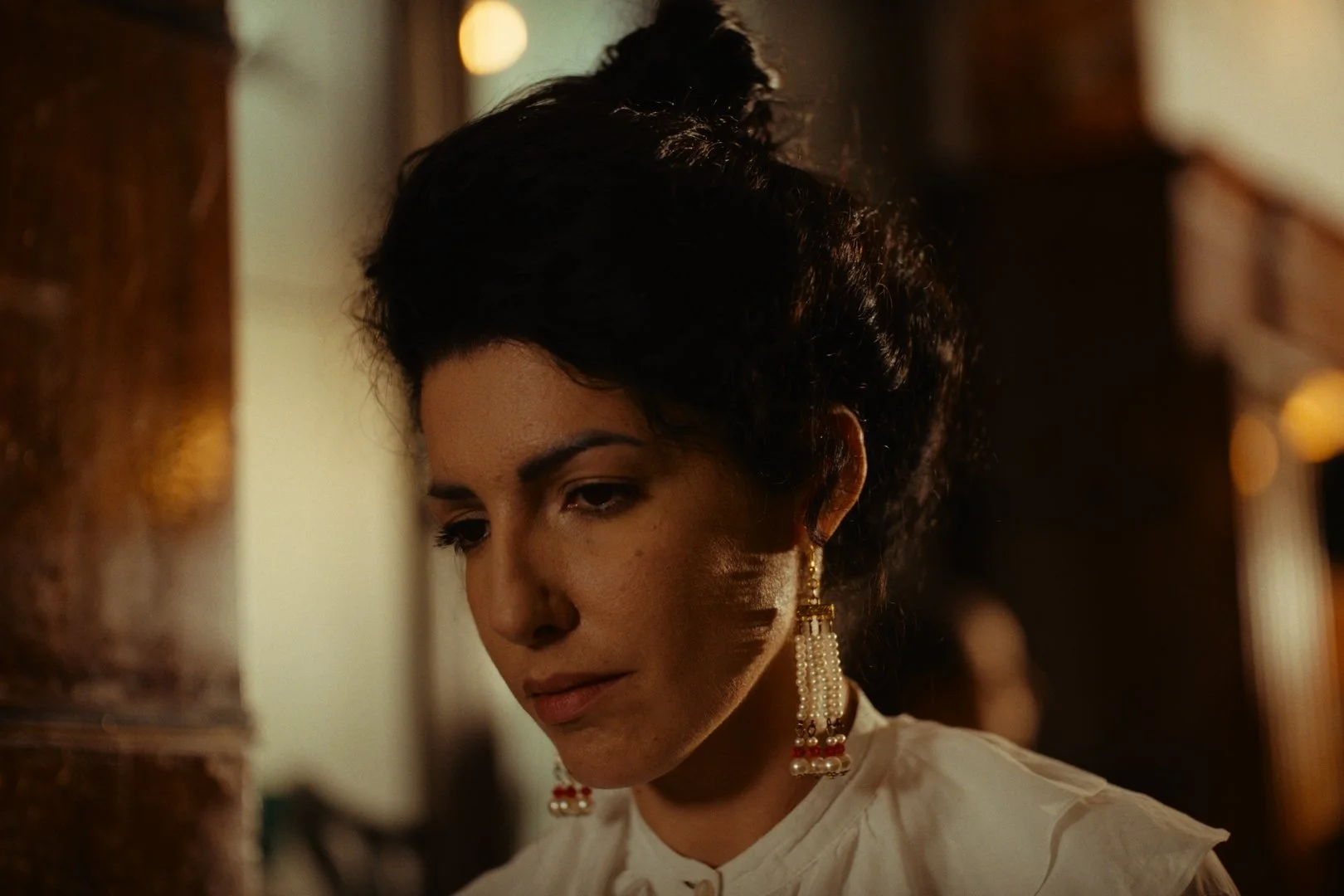
Visual concept. The cinematography is built around a central metaphor: the camera as a weapon, mirroring the historical assassination. To reflect the amateur photography of the protagonist, the film embraces a strict photographic approach. The 3:2 full-frame aspect ratio and tight close-ups evoke early 20th-century archival imagery, bridging historical reconstruction and an anarchic, dreamlike legend.
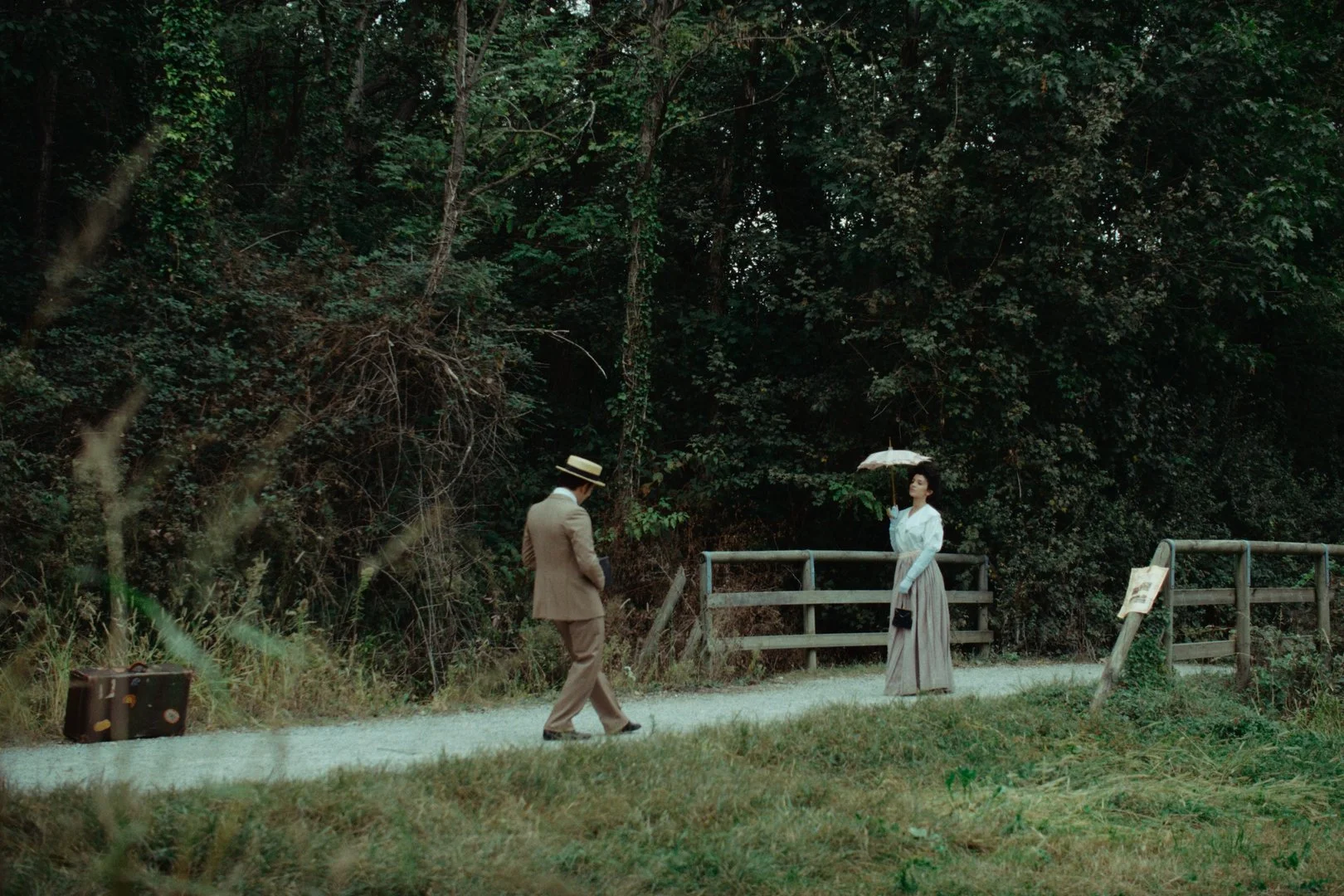
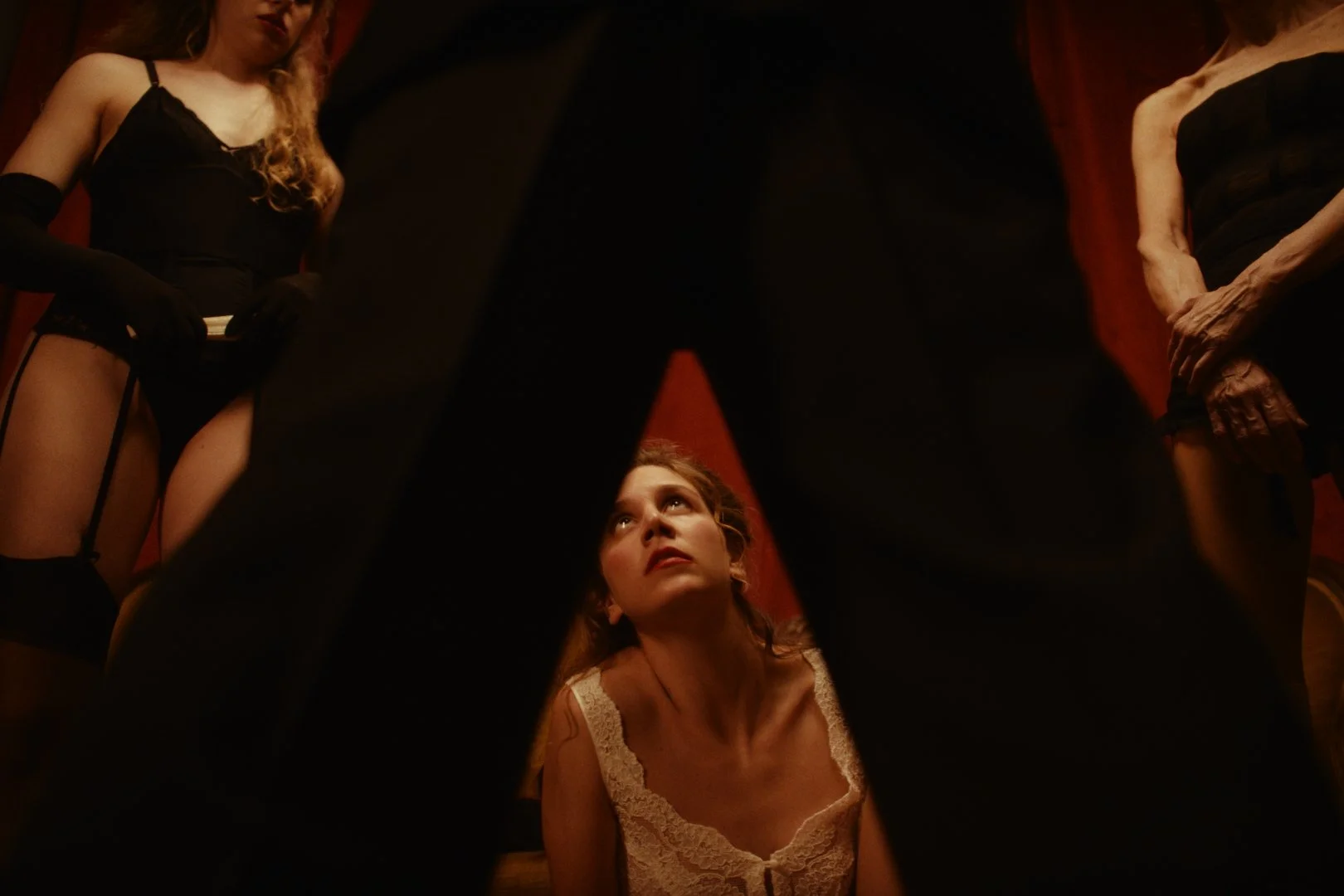
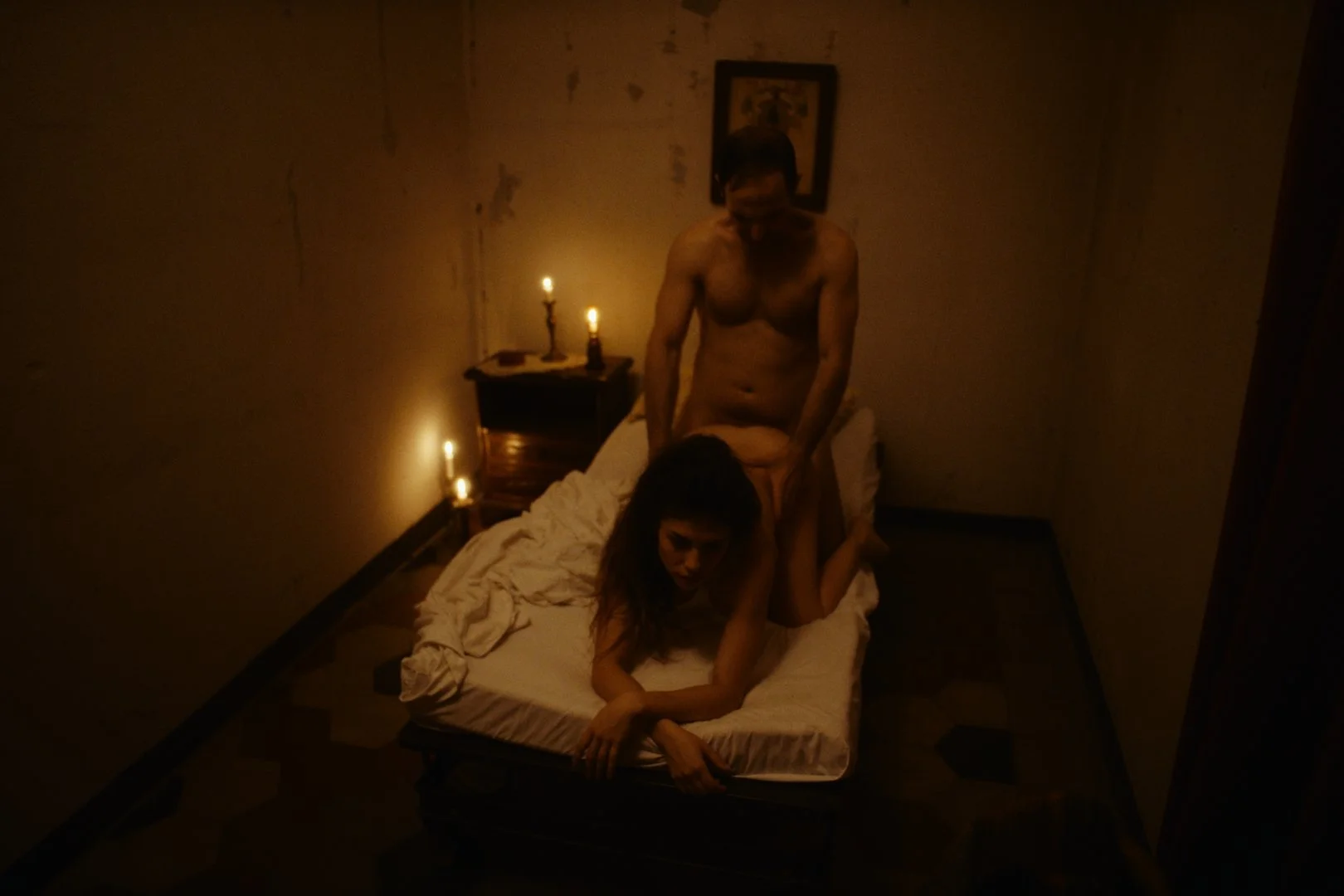
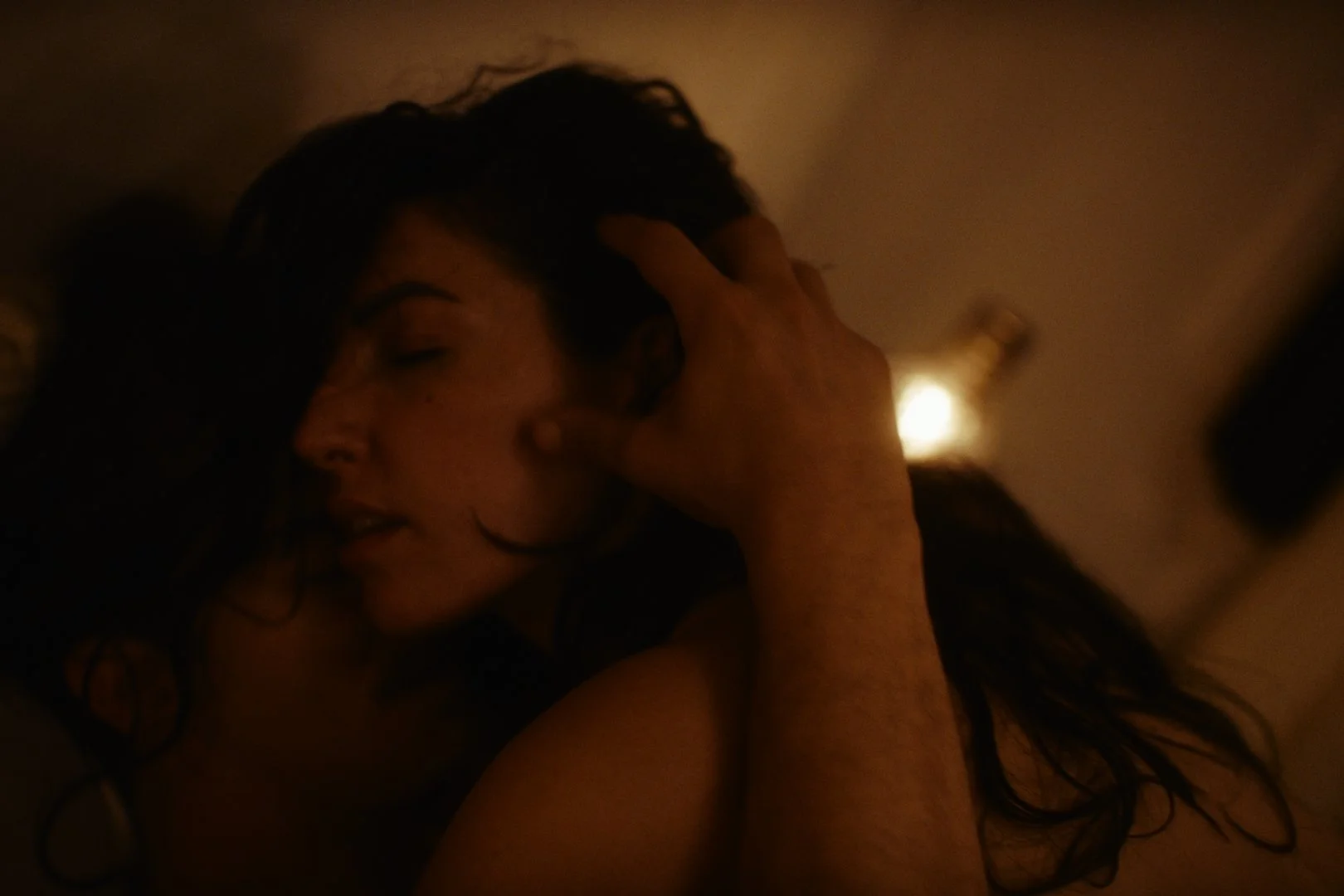
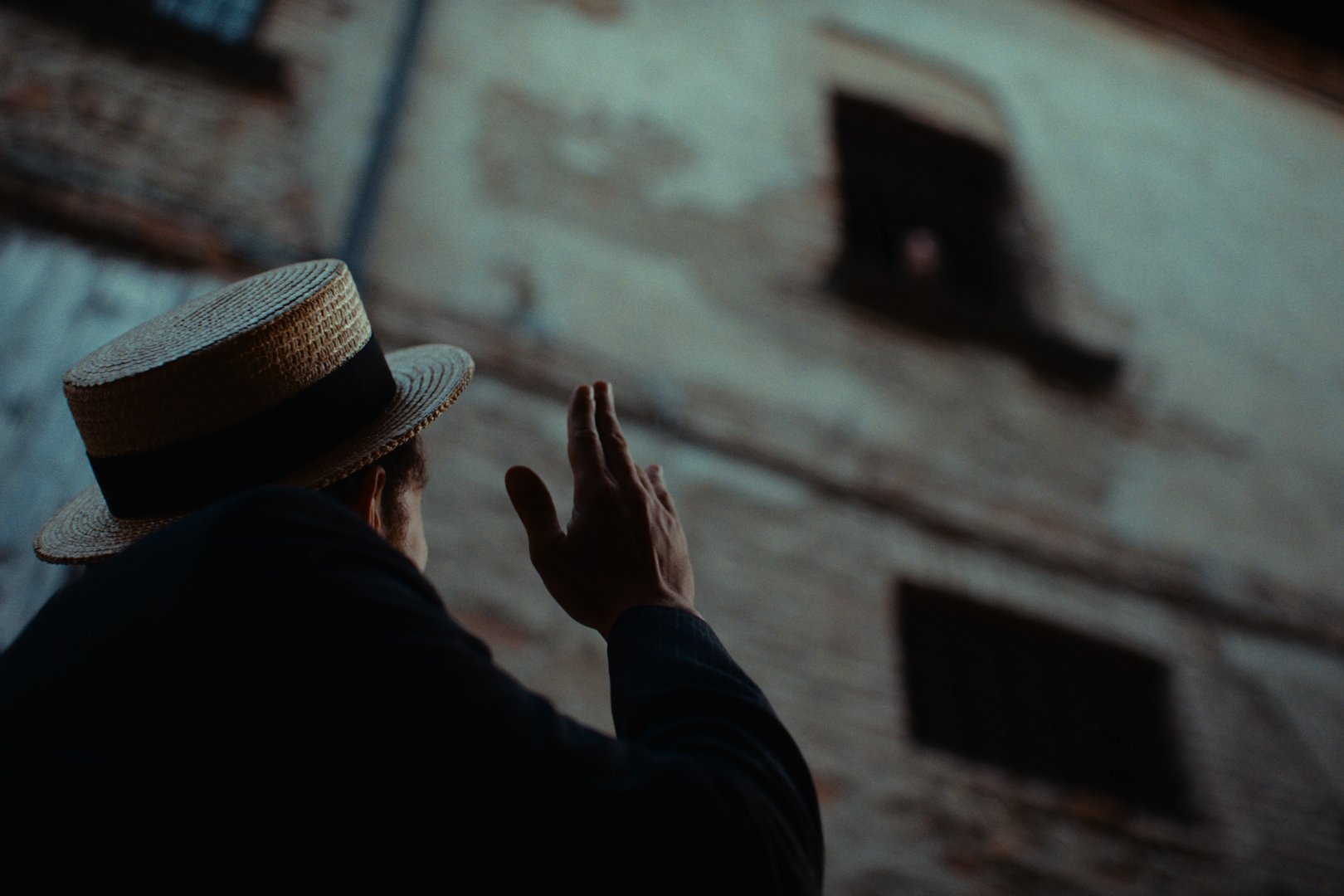
Camera & movement. Shot entirely handheld, with a single crane shot, the film uses camera language as a narrative duality. When representing institutional power, framing becomes fragmented and rigid. Scenes of freedom and human connection are captured through immersive long takes and internal editing. This operating style balances naturalism with a kinetic energy that mirrors the restless, irreverent spirit of the protagonist.
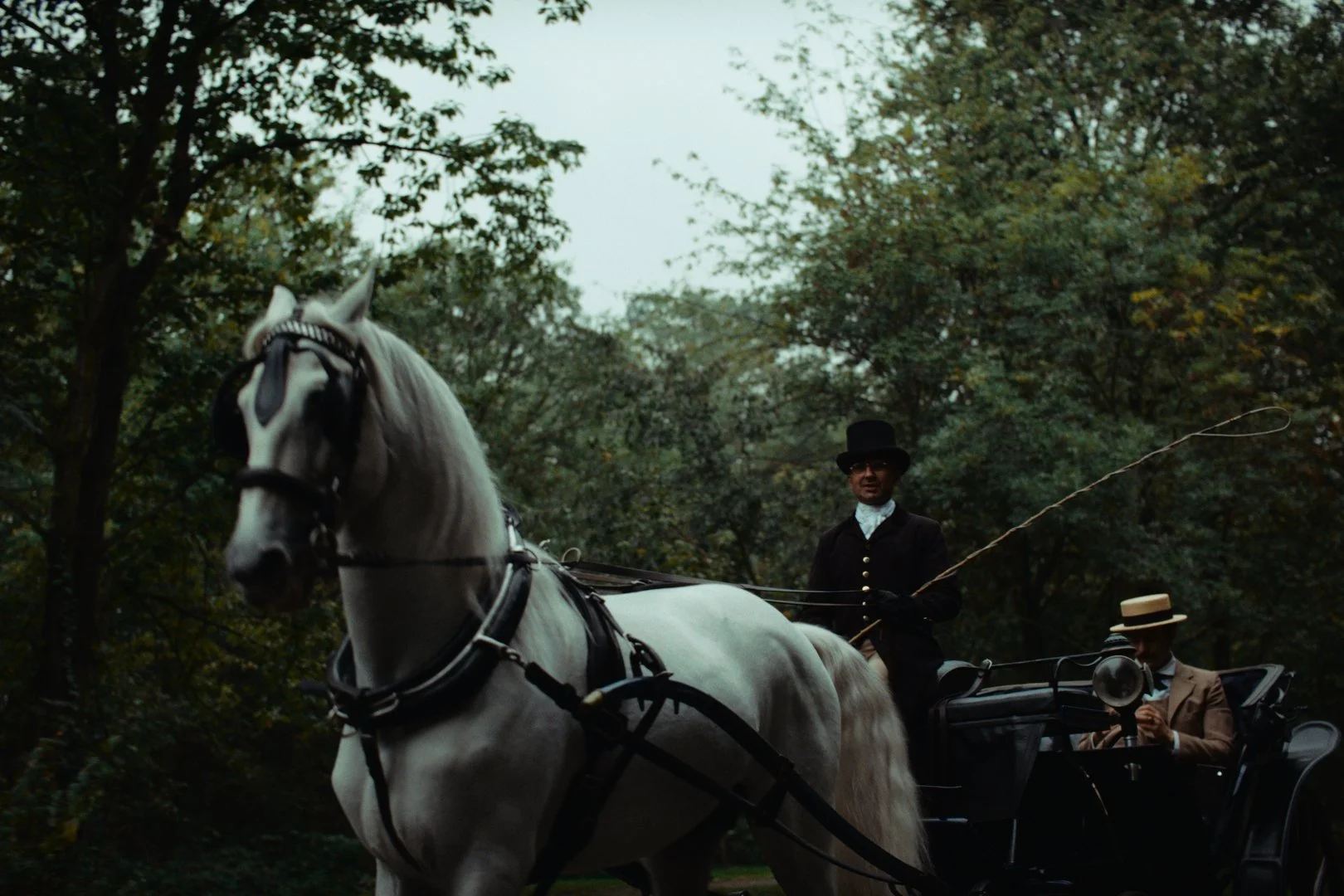
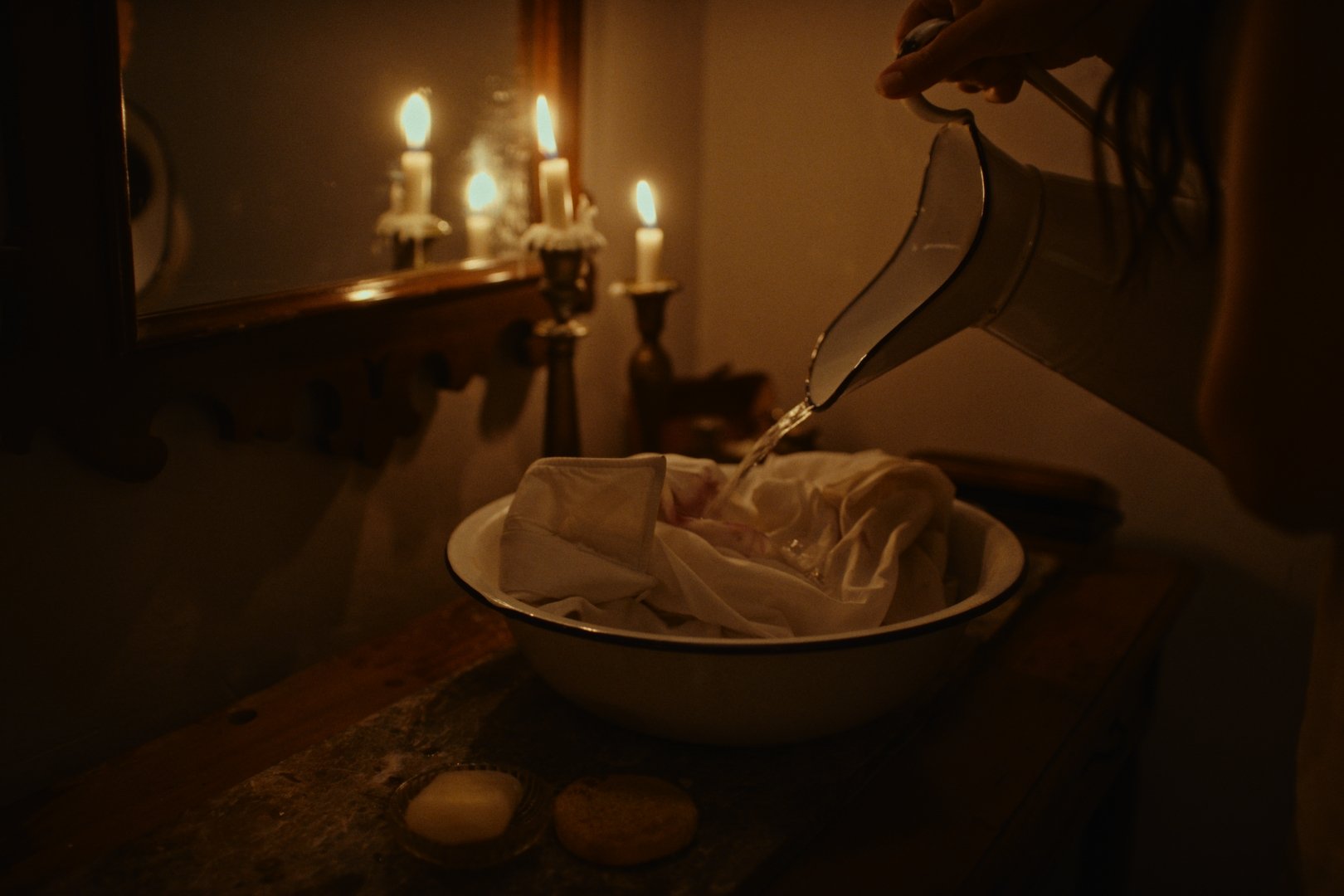
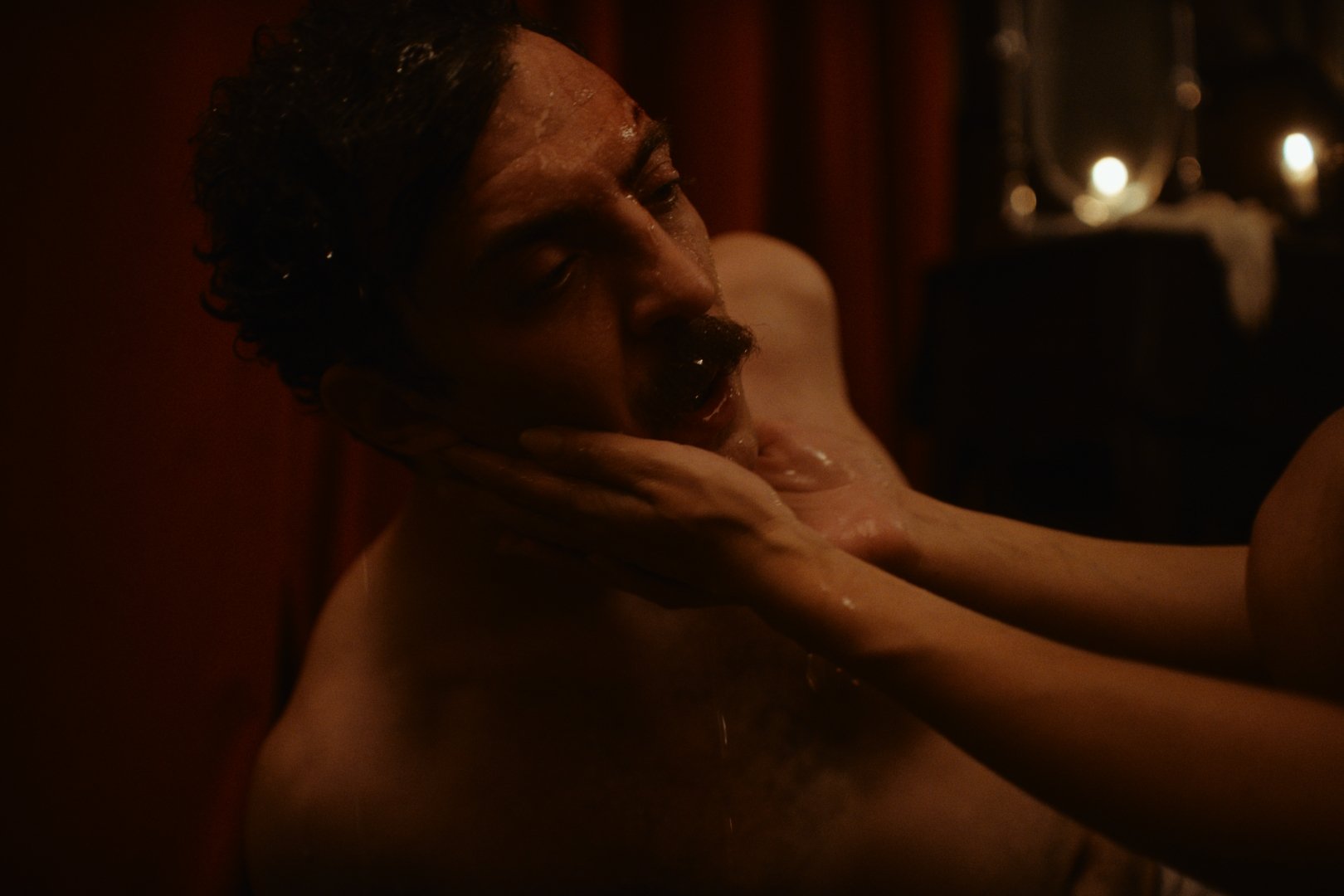
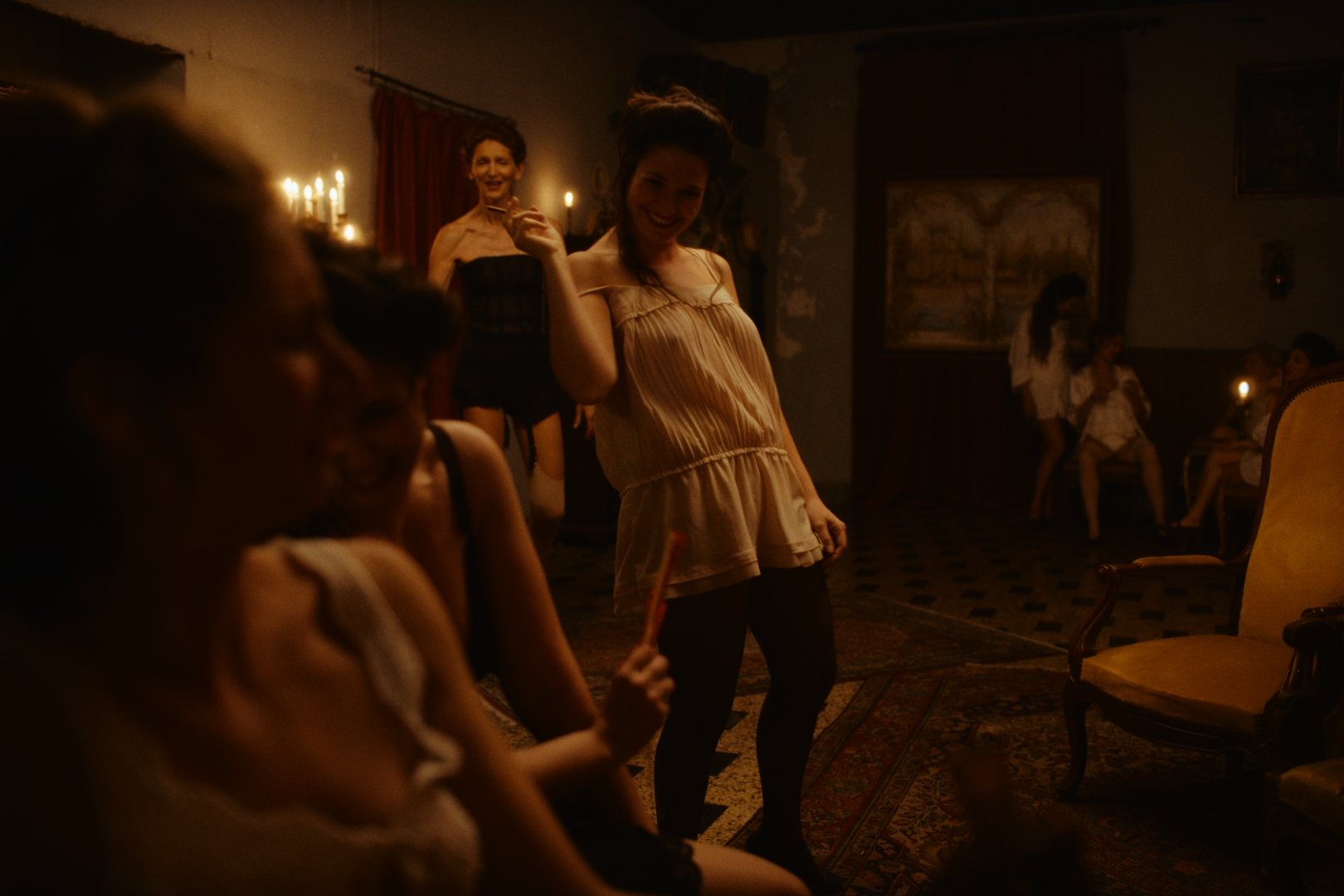
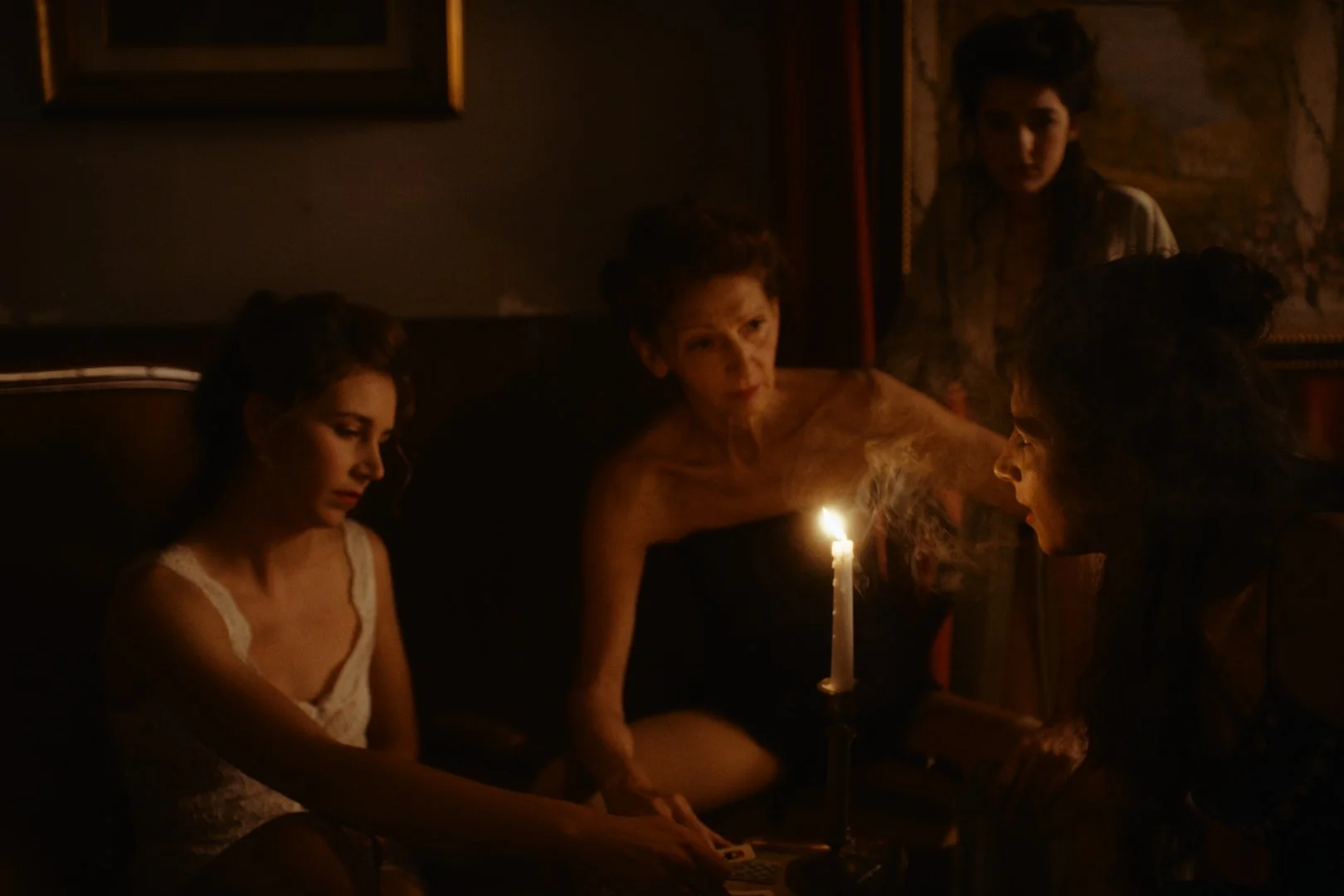
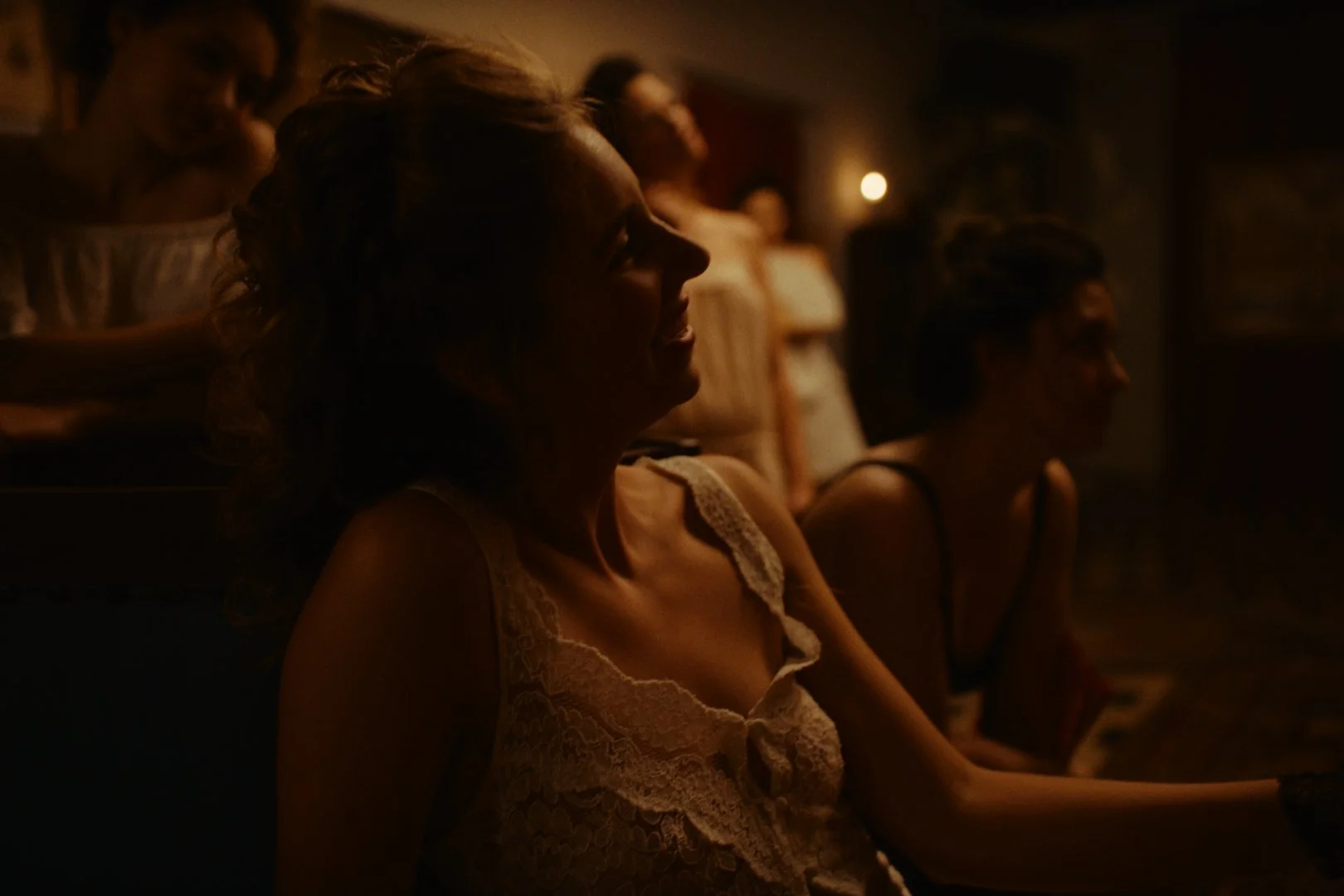
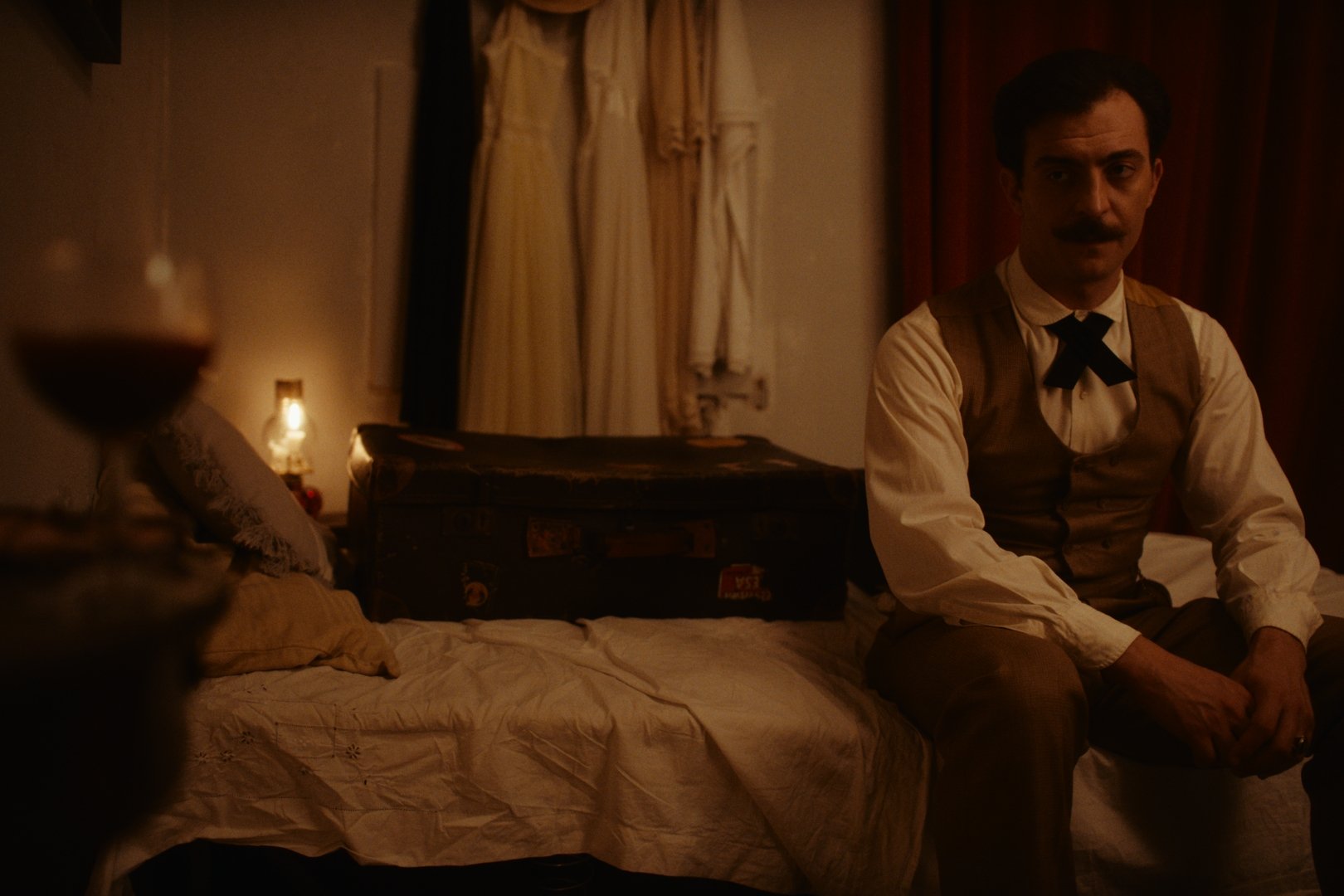
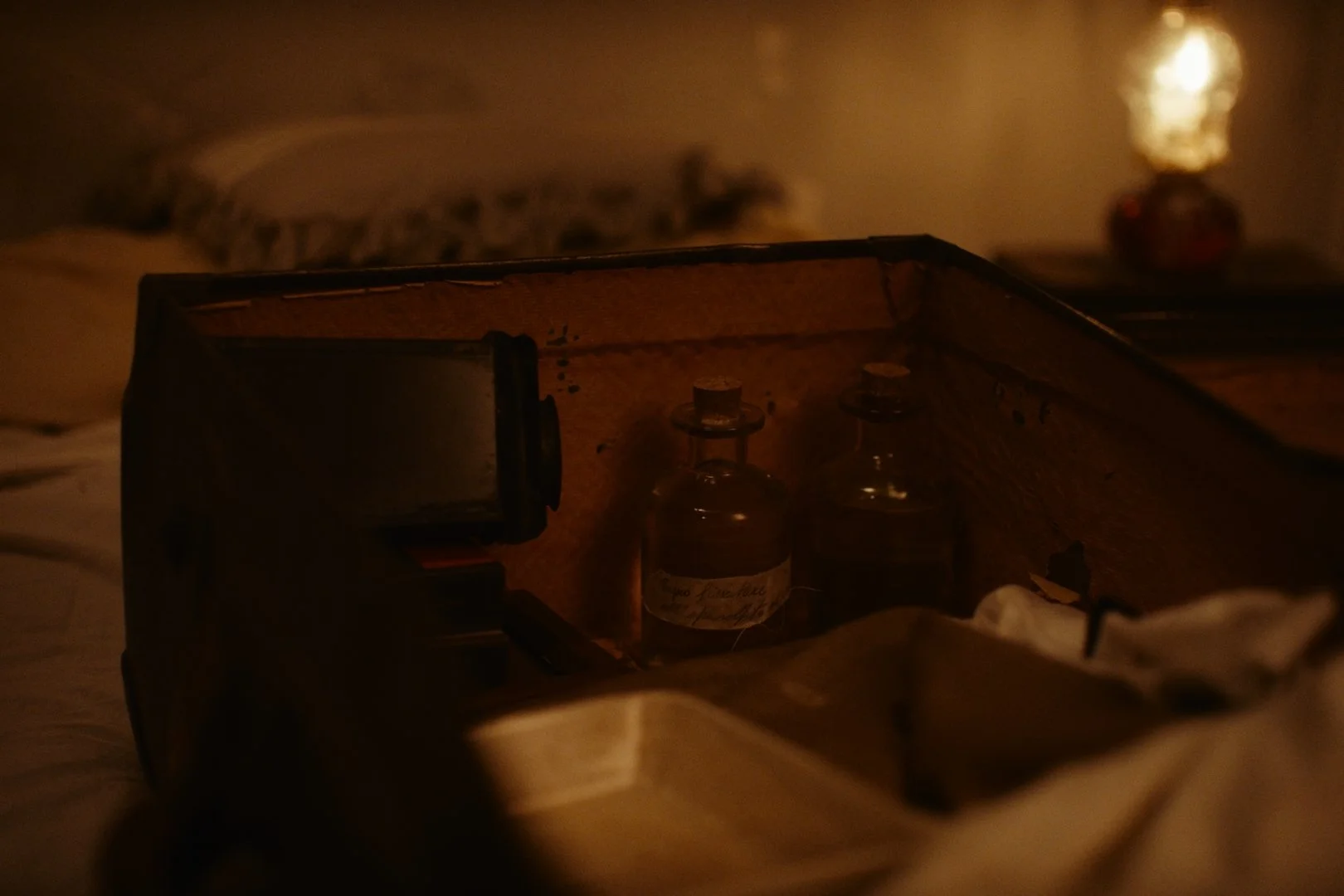
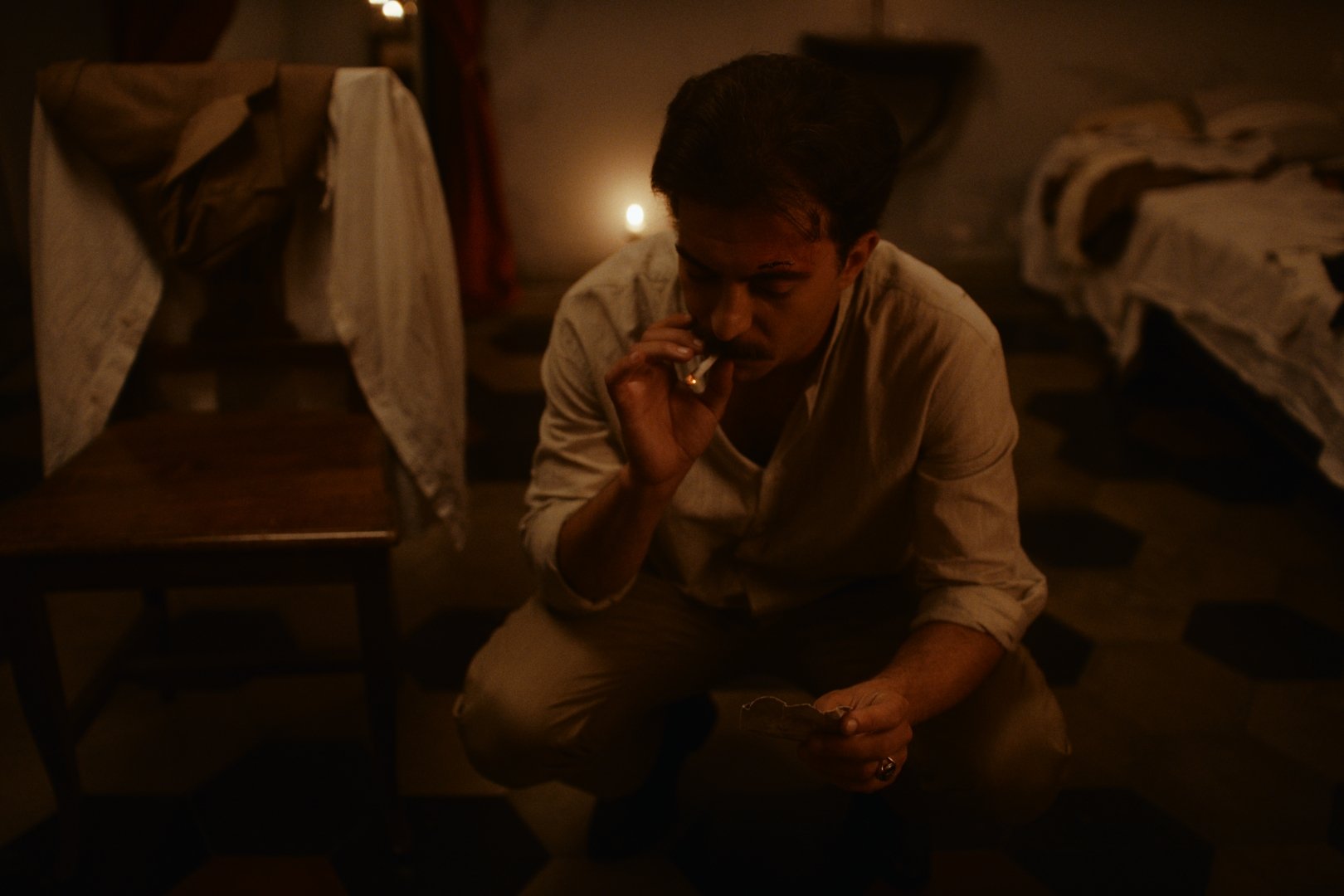
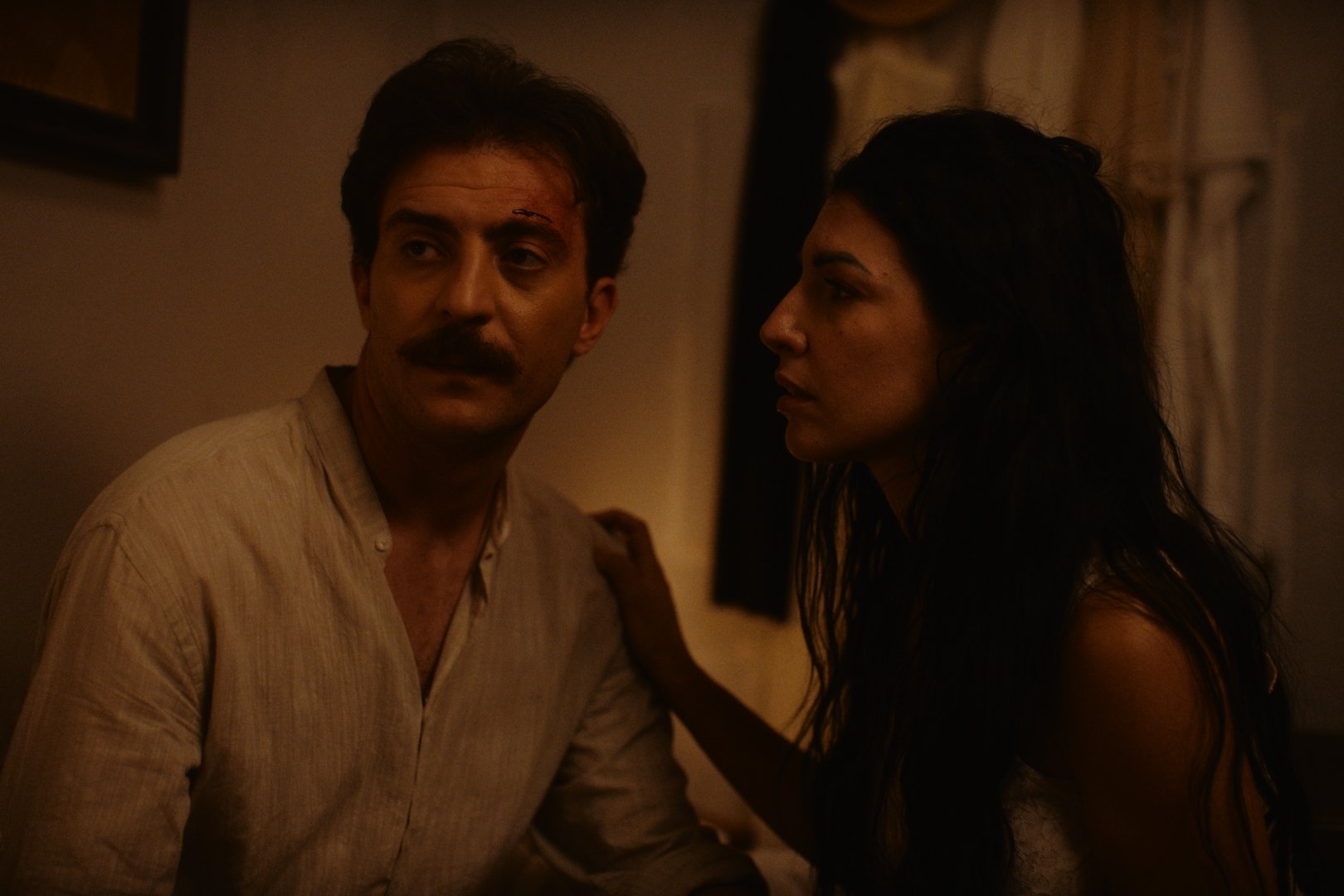
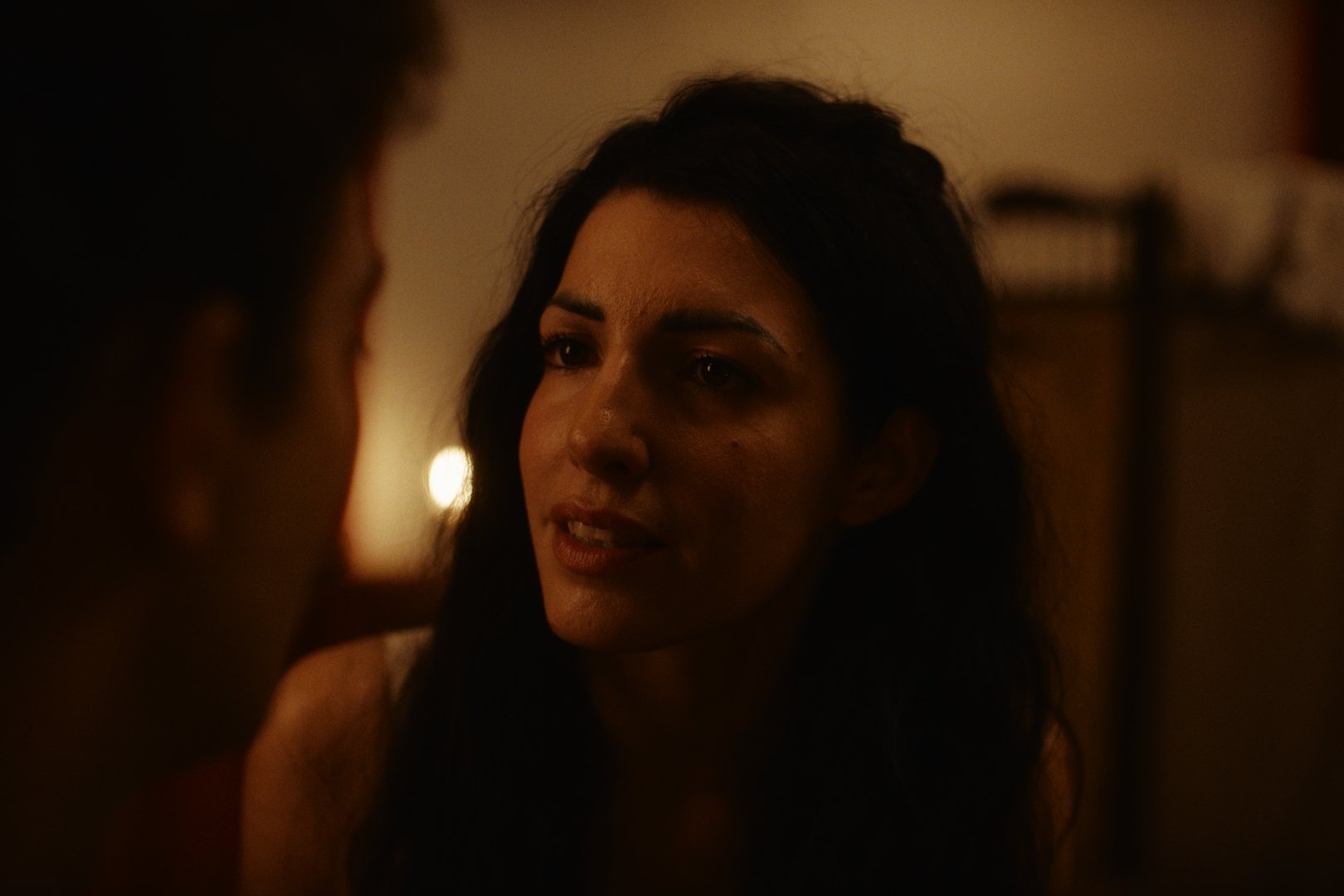
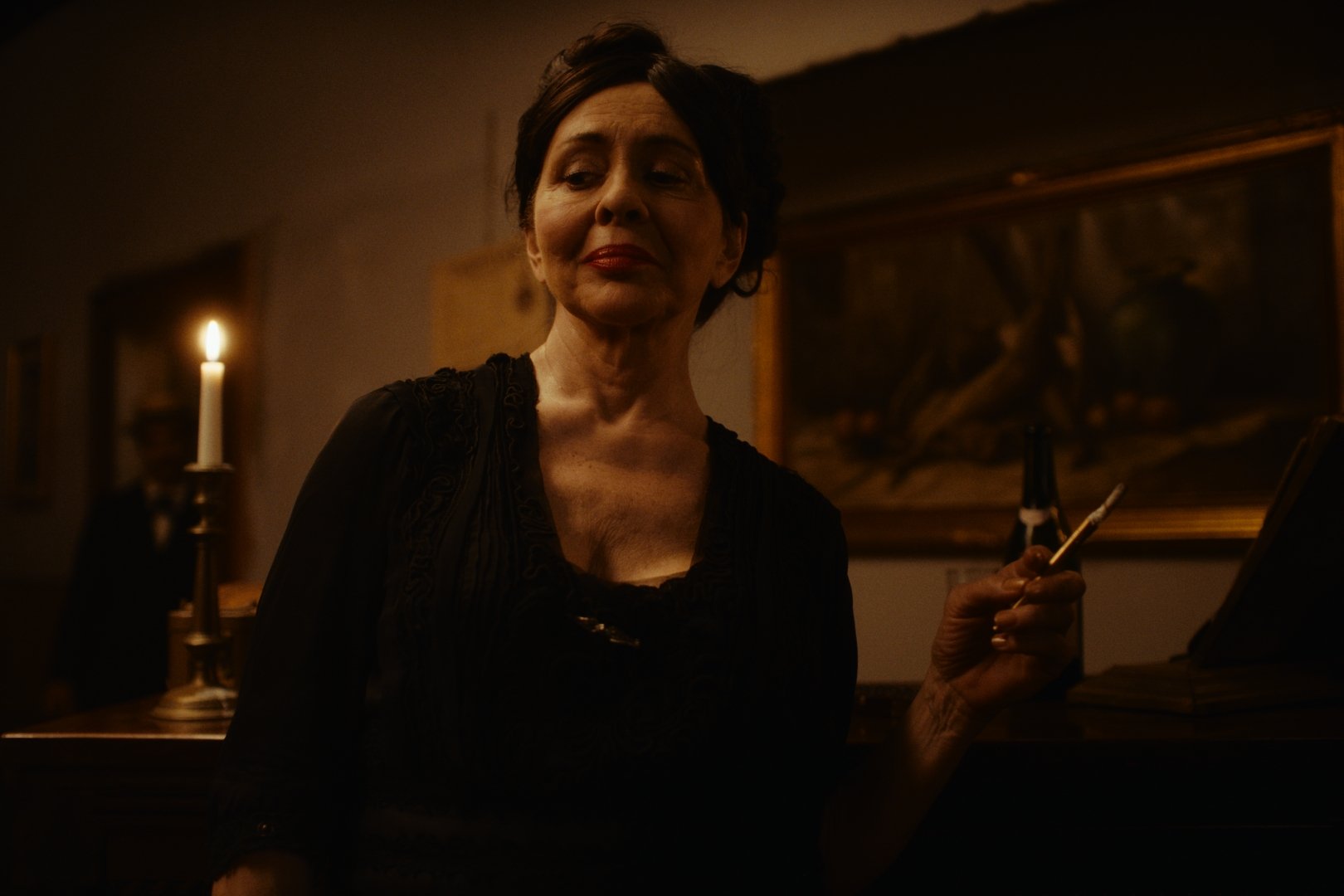
Lighting & Texture. A pictorial, chiaroscuro look built on naturalistic lighting. The light design relies on period practical sources such as candles and oil lamps, with tungsten and LED fixtures used only to raise the ambient exposure to a workable level. The film was shot on Sony Venice with DZO Vespid T2.1 lenses and Hollywood Black Magic filtration, softening digital sharpness into a textured, painterly image. Interiors and night scenes were shot at the camera’s 2500 high base ISO to preserve authentic low-light environments; day scenes were rated at 500 ISO.
Color Grading. The grade respects the raw camera data while shaping a specific historical tone: a subtle cyan tint in the highlights and yellows pushed toward a slightly sharp, “acidic” warmth. The result avoids nostalgic clichés and stays grounded yet stylized.